
Product
Product
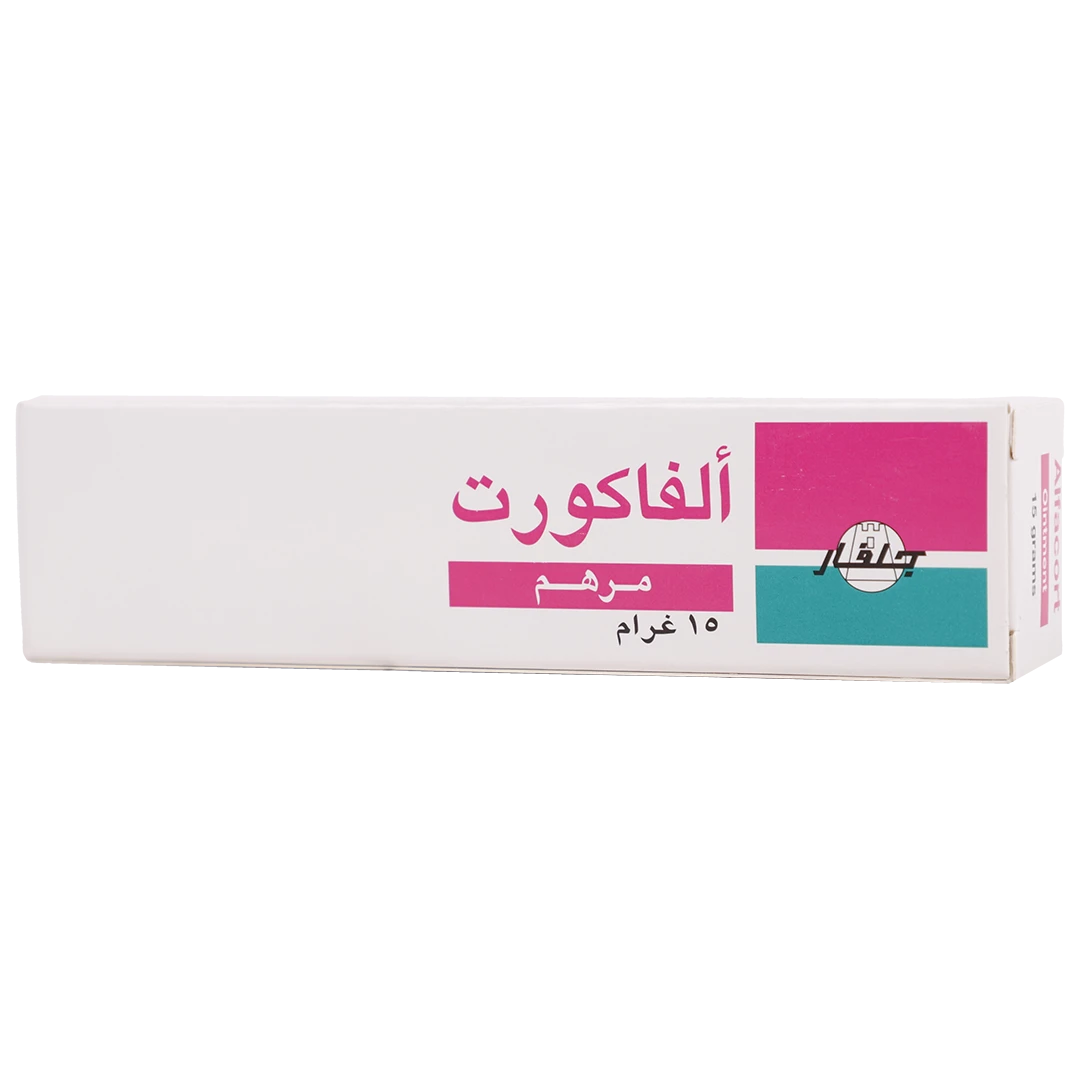
Alfacort belongs to a group of medicines called topical corticosteroids. These work by calming the inflammation that occurs during certain skin conditions or reactions. Alfacort may be used for treating various skin conditions including: Eczema Dermatitis, including intertrigo (irritation between skin folds) Insect bite reactions Inflammation of the external ear (otitis externa) Prurigo nodularis - a long term skin condition where very itchy lumps appear Neurodermatoses- a long term skin condition where itchy skin becomes thick due to scratching Nappy rash, (if there is no infection present, or existing infection is being treated with appropriate antibiotics) How to use For application to the skin. The recommended dose is: Adults – gently apply a thin layer of cream or ointment to the affected area(s) two or three times a day. Children and infants – gently apply a thin layer of cream or ointment to the affected areas(s) two or three times a day. The smaller the child the less you will need to use. A course of treatment for a child should not normally last more than 7 days - unless your doctor has told you to use it for longer. Warnings and precautions Do not use Alfacort if you: Are allergic (hypersensitive) to hydrocortisone or any of the other ingredients of this medicine Have any other skin infection such as athlete’s foot (tinea pedis), chickenpox (varicella) or shingles (herpes zoster), cold sores (herpes simplex), impetigo, ringworm or thrush, infected lesions, ulcerative conditions, red appearance on face, peri-oral dermatitis or acne. Warnings and precautions Talk to your doctor or pharmacist before you start to use this medicine if you: Have psoriasis; the condition may become worse after stopping long-term treatment Will be applying the Alfacort to your face, particularly around the eyes. This medicine should not be used for long on the face as it may damage the facial skin Will be using the Alfacort for the treatment of dermatitis or nappy rash on children and infants. Treatment in infants should be limited to a maximum of seven days. Are applying the Alfacort under an airtight dressing, including a child's nappy. These dressings make it easier for the active ingredient to pass through the skin. It is possible to accidentally end up using too much of cream or ointment. Have a skin infection. If the condition appears to be getting worse despite using antibiotics prescribed, stop using the Alfacort and contact your doctor Side Effects Like all medicines, Alfacort can cause side effects, although not everybody gets them. Most patients using Alfacort will have no problems when used in the correct amount for the prescribed time. If the following happens, stop using Alfacort and tell your doctor immediately or go to the casualty department at your nearest hospital: An allergic reaction (swelling of the lips, face or neck leading to severe difficulty in breathing; skin rash or hives) This is a very serious but rare side effect. You may need urgent medical attention or hospitalisation. Other effects which may occur: A change in the colour of skin, or increased growth of hair in areas where cream or ointment is used. Contact dermatitis – localised rash or irritation to the skin. The skin may become thinner when used in the nappy areas of children where conditions are moist. If Alfacort is used often over a large area of skin or for a long time, especially under dressings, adverse effects on adrenal gland function are more likely. These effects are also more likely in children and infants. Prolonged use, especially on sensitive areas including skin folds, may result in thinning of the skin, widening of the blood vessels, stretch marks and may suppress the functioning of the adrenal gland. Blurred vision. This side effect has been reported, but the frequency for it to occur is not known. Steroid withdrawal reaction: If used continuously for prolonged periods a withdrawal reaction may occur on stopping treatment with some or all of the following features: redness of the skin which can extend beyond the initial area treated, a burning or stinging sensation, intense itching, peeling of the skin, oozing open sores. Storage Information Store below 30°C. Best use within one month of opening. Drug Interactions It is recommended to inform your doctor or pharmacist about all medications, herbs, vitamins, and nutritional supplements you are taking before starting treatment. It is recommended that hydrocortisone not be taken simultaneously with the following medications: Chollinesterase inhibitors, such as: Donepezil Pyridostigmine Anticoagulants, such as warfarin Certain epilepsy medications, such as barbiturates Certain antifungals, such as ketoconazole Nonsteroidal anti-inflammatory drugs, such as: ibuprofen and aspirin Digoxin Cholesteramine Certain blood pressure medications, such as diuretics Immunosuppressants, especially cyclosporine Hormonal contraceptives containing estrogen Macrolide antibiotics, such as clarithromycin and erythromycin. Diabetes medications. Ingredients Alfacort ointment contains 1% hydrocortisone. Excipients: White soft paraffin, liquid paraffin and sorbitan sesquioleate.
We are Sorry, this product is unavailable now, explore other products.