
Product
Product
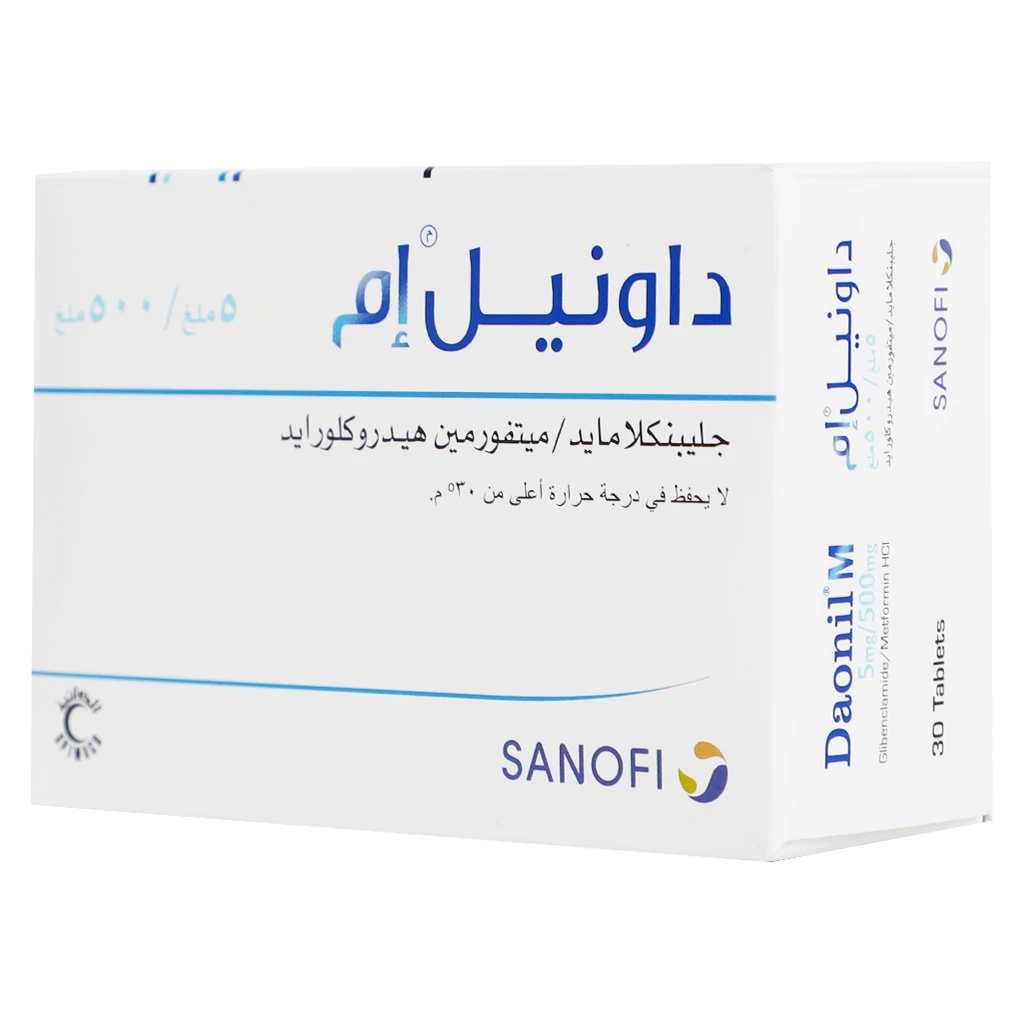
The glibenclamide/metformin hydrochloride combination is used to lower blood sugar levels in type 2 (non-insulin-dependent) diabetes mellitus as an addition to a proper diet and exercise. How to use This property is for adults only. Take this medicine as ordered by your doctor. Take this medicine with food. The usual starting dose is glibenclamide 1.25 - 2.5 mg / metformin 500 - 1000 mg. Given once or twice daily. Warnings and precautions Tell your doctor about all of your health conditions, including if you have: If you are recovering from an injury, operation, infection, fever, or other forms of stress. If you have liver or kidney problems. If you have a deficiency of an enzyme called glucose-6-phosphate dehydrogenase (G6PD). If you have heart disease. You should stop taking this medicine for a period of time before having major surgery. Talk to your doctor. This medicine may cause a serious but rare complication called lactic acidosis, especially if you have poor kidney function. Signs of lactic acidosis include abdominal pain, vomiting, muscle cramps, extreme tiredness, difficulty breathing, low body temperature, and a rapid heartbeat. This medicine may cause your blood sugar to drop, especially if you miss a meal, exercise a lot, or drink alcohol. Signs of low blood sugar include: nausea, hunger, shakiness, dizziness, confusion, drowsiness, trouble speaking, and sweating. You can have a sugar cube or some juice Side Effects If you experience any of the following symptoms you should contact your doctor or go to the hospital straight away: Allergic reactions Low blood sugar levels Liver problems Lactic acidosis Storage Information Store at room temperature 68 to 77°F (20 to 25°C). Drug Interactions Tell your doctor about all the medicines you take. Glibenclamide/Metformin Hydrochloride interacts with many drugs including: Other medications used for diabetes Some high blood pressure medications Birth control pills Medications to treat mood disorders Some antibiotics Non-steroidal anti-inflammatory drugs Corticosteroids Anticoagulants such as warfarin Phenytoin Digoxin Some medications to lower blood cholesterol. Some medications for treating asthma, such as salbutamol. Dyes used in X-rays
We are Sorry, this product is unavailable now, explore other products.