
Product
Product
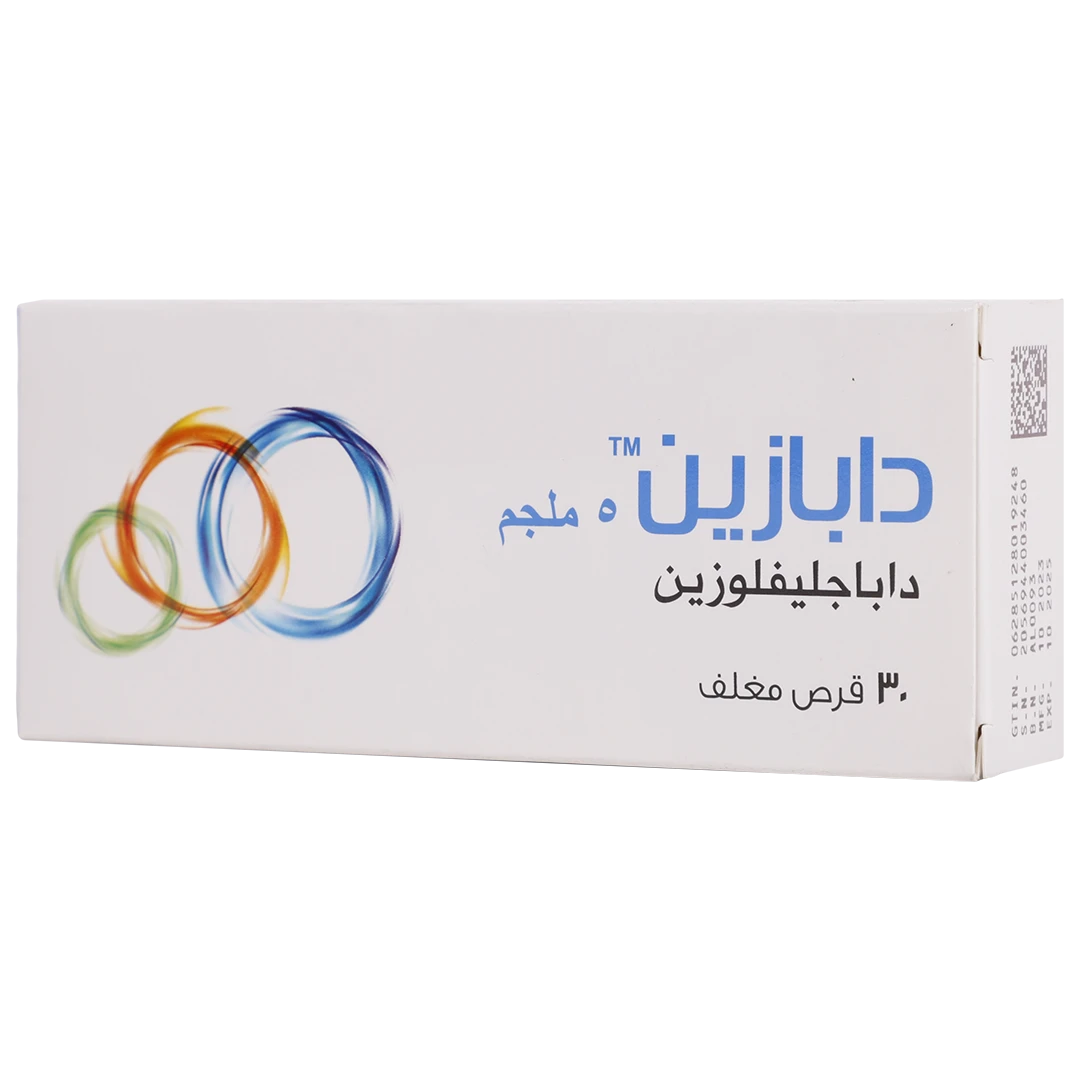
Dapazin™ contains the active substance dapagliflozin. It belongs to a group of medicines called “sodium glucose co-transporter-2 (SGLT2) inhibitors”. They work by blocking the SGLT2 protein in your kidney. By blocking this protein, blood sugar (glucose), salt (sodium) and water are removed from your body via the urine. What Dapazin™ is used for Dapazin™ is used in adult patients (aged 18 years and older) to treat: Type 2 diabetes - if your type 2 diabetes cannot be controlled with diet and exercise. - Dapazin™ can be used on its own or together with other medicines to treat diabetes. - It is important to continue to follow the advice on diet and exercise given to you by your doctor, pharmacist or nurse. Heart failure - in patients with symptoms due to a weak pump function of the heart. Chronic kidney disease - in patients with reduced kidney function. How to use How much to take The recommended dose is one 10 mg tablet each day. Your doctor may start you on a 5 mg dose if you have a liver problem. Your doctor will prescribe the strength that is right for you. Taking this medicine Swallow the tablet whole with half a glass of water. You can take your tablet with or without food. You can take the tablet at any time of the day. However, try to take it at the same time each day. This will help you to remember to take it. Warnings and precautions Do not take Dapazin™: If you are allergic to dapagliflozin or any of the other ingredients of this medicine. Warnings and precautions Contact a doctor or the nearest hospital straight away: Diabetic ketoacidosis: If you have diabetes and experience feeling sick or being sick, stomach pain, excessive thirst, fast and deep breathing, confusion, unusual sleepiness or tiredness, a sweet smell to your breath, a sweet or metallic taste in your mouth, or a different odour to your urine or sweat, or rapid weight loss. The above symptoms could be a sign of “diabetic ketoacidosis” – a rare but serious, sometimes life-threatening problem you can get with diabetes because of increased levels of “ketone bodies” in your urine or blood, seen in tests. The risk of developing diabetic ketoacidosis may be increased with prolonged fasting, excessive alcohol consumption, dehydration, sudden reductions in insulin dose, or a higher need of insulin due to major surgery or serious illness. When you are treated with Dapazin™, diabetic ketoacidosis can occur even if your blood sugar is normal. If you suspect you have diabetic ketoacidosis, contact a doctor or the nearest hospital straight away and do not take this medicine. Talk to your doctor, pharmacist or nurse before taking Dapazin™: If you have “type 1 diabetes” If you have diabetes and have a kidney problem If you have a liver problem If you are on medicines to lower your blood pressure (anti-hypertensives) and have a history of low blood pressure (hypotension). If you have very high levels of sugar in your blood which may make you dehydrated (lose too much body fluid). If you have or develop nausea (feeling sick), vomiting or fever or if you are not able to eat or drink. These conditions can cause dehydration. If you often get infections of the urinary tract. Side Effects Stop taking Dapazin™ and see a doctor as soon as possible if you notice any of the following serious side effects: Urinary tract infection, seen commonly (may affect up to 1 in 10 people). These are signs of a severe infection of the urinary tract: Fever and/or chills Burning sensation when passing water (urinating) Pain in your back or side. Although uncommon, if you see blood in your urine, tell your doctor immediately. Other side effects when taking Dapazin™: Common Genital infection (thrush) of your penis or vagina (signs may include irritation, itching, unusual discharge or odour) Back pain Passing more water (urine) than usual or needing to pass water more often Changes in the amount of cholesterol or fats in your blood (shown in tests) Increases in the amount of red blood cells in your blood (shown in tests) Decreases in creatinine renal clearance (shown in tests) in the beginning of treatment Dizziness Rash Storage Information Do not store above 30 °C Drug Interactions Especially tell your doctor: If you are taking a medicine used to remove water from the body (diuretic). If you are taking other medicines that lower the amount of sugar in your blood such as insulin or a “sulphonylurea” medicine. Your doctor may want to lower the dose of these other medicines, to prevent you from getting low blood sugar levels (hypoglycaemia). Ingredients The active substance is dapagliflozin.
We are Sorry, this product is unavailable now, explore other products.