
Product
Product
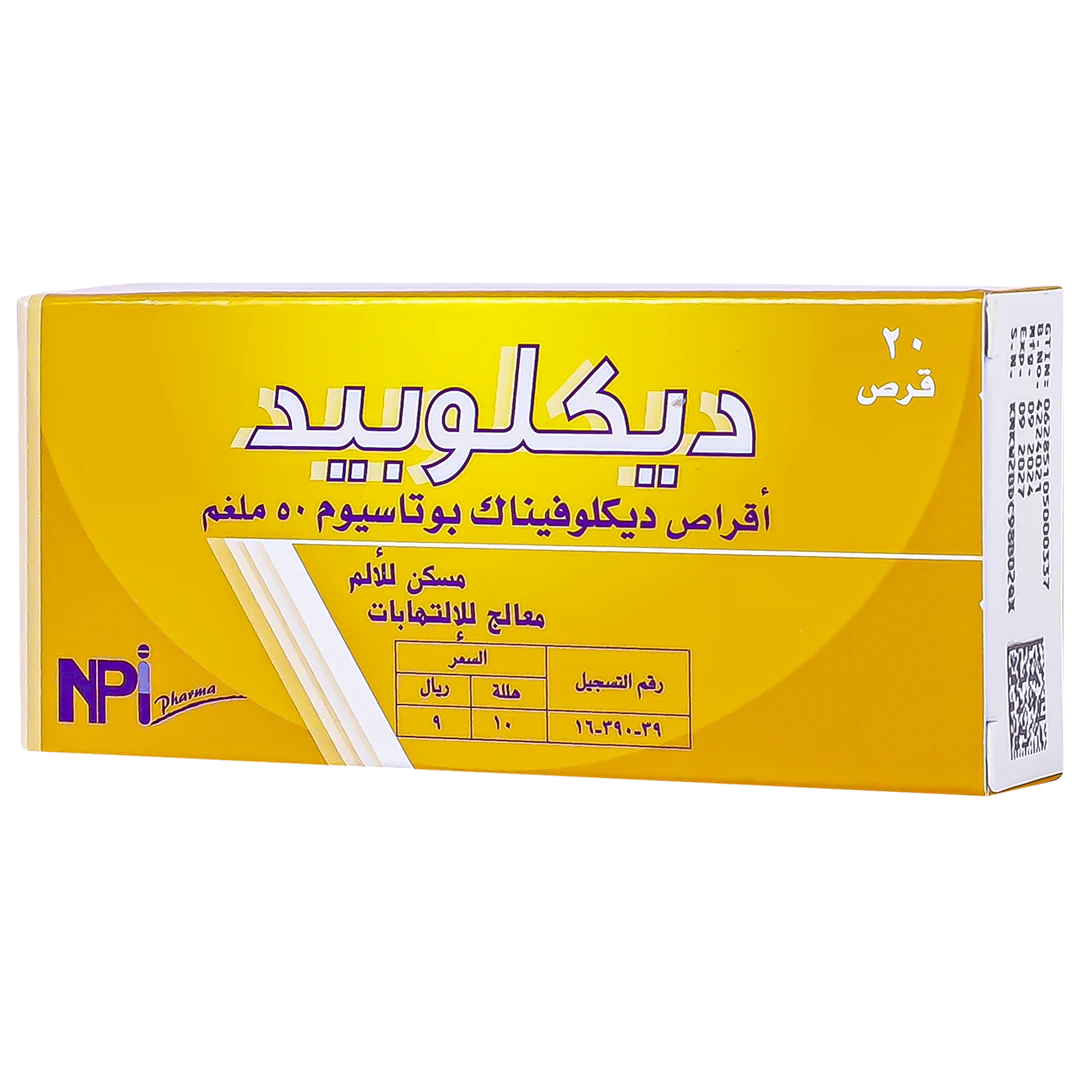
The active substance in Diclopid film-coated tablets is diclofenac potassium. Diclopid belongs to a group of medicines called ' non-steroidal anti-inflammatory drugs' (NSAIDs), which are used to treat pain and inflammation. Diclopid can be used for short-term treatment of the following conditions: Sprains, strains, or other injuries Pain and swelling after surgery. Painful inflammatory conditions in gynaecology, including painful menstrual periods Back pain, frozen shoulder, tennis elbow, and other forms of soft-tissue rheumatism. Symptoms of ear, nose or throat infections Migraine attacks. How to use Adults As the beginning of treatment, the daily dose is generally 100 to 150 mg, in milder cases, 75 to 100 mg daily is usually sufficient. The total daily dose should usually be taken in 2 to 3 separate doses. Do not exceed 150 mg per day. In painful menstrual periods, start treatment with a single dose of 50 to 100 mg as soon as you feel the first symptoms. Continue with 50 mg up to three times a day for a few days, as needed. If the daily dosage of 150 mg does not provide sufficient pain relief during 2 to 3 menstrual periods, you may take up to 200 mg a day during your next menstrual periods. Do not exceeded 200 mg per day. In migraine, start treatment with a single dose of 50 mg, as soon as you feel the first signs of an impending attack. In cases where pain relief within 2 hours after the first dose is not sufficient, a further dose of 50 mg may be taken. If needed. further doses of 50 mg may be taken at intervals of 4 to 6 hours. Do not exceed 200 mg per day. Children and adolescents For adolescents aged 14 years or over, a daily dose of 75 to 100 mg is usually sufficient The total daily dose should usually be taken in 2 to 3 separate doses. Do not exceed 150 mg per day. In migraine, Diclopid film-coated tablets must not be used by children and adolescents (below 18 years of age). Warnings and precautions Do not take Diclopid If you are allergic (hypertensive) to diclofenac or to any of the other ingredients of Diclopid listed at the end of this leaflet If you have ever had an allergic reaction after taking medicines to treat inflammation or pain If you have or have had stomach or intestinal ulcer If you have or have had gastrointestinal bleeding, symptoms of which may include blood in your stools or black stools. If you suffer from severe kidney or liver disease. If you suffer from severe heart failure. If you are in the last three months of pregnancy. Take special care with Diclopid film-coated tablets If you are taking Diclopid simultaneous with other anti-inflammatory medicines including acetylsalicylic acid/aspirin, corticosteroids, 'blood thinners' or SSRls If you have asthma, hay fever (seasonal allergic rhinitis), nasal polyps, chronic bronchitis and emphysema (COPD) or chronic infections of the respiratory tract If you have an inflammation of the colon (ulcerative colitis) or intestinal tract (Crohn's disease). If you have or have had heart problems or high blood pressure If you have liver or kidney problems If you could be dehydrated If you have swollen feet Side Effects Some rare or very rare side effects could be serious: These are likely to affect from less than 1 to 10 in every 10,000 patients Unusual bleeding or bruising. High fever or persistent sore throat Allergic reaction with swelling of the face, lips, mouth, tongue or throat often associated with rash and itching, which may cause difficulty to swallow, hypotension (low blood pressure), fainting, Wheezing and feelings of tightness in the chest (signs of asthma). Chest pain (signs of heart attack). Sudden and severe headache, nausea. dizziness, numbness, inability or difficulty to speak, paralysis (signs of stroke). Stiff neck (signs of meningitis). Convulsion Hypertension (high blood pressure). Some side effects are common: These are likely to affect between 1 and 10 in every 100 patients Headache, dizziness, nausea, vomiting, diarrhoea, indigestion. abdominal pain, flatulence, loss of appetite, change in liver function (e.g. level of transaminases), skin rash. Storage Information Store below 25° protect from light and moisture. Drug Interactions It is particularly important to tell your doctor if you are taking any of the following medicines: Lithium or selective serotonin-reuptake inhibitors (SSRls) (medicines used to treat some types of depression). Digoxin (a medicine used for heart problems). Diuretics (medicines used to increase the amount of urine). ACE inhibitors or beta-blockers (dasses of medicines use to treat high blood pressure and heart failure). Other anti-inflammatory medicines such as acetylsalicylic acid/aspirin or ibuprofen Corticosteroids (medicines used to provide relief for inflamed areas of the body). “Blood thinners” (medicines used to prevent blood dotting). Medicine used to treat diabetes, except insulin Methotrexate (a medicine used to treat some kinds of cancer or arthritis). Ingredients The active substance in Diclopid film-coated tablets is diclofenac potassium.
We are Sorry, this product is unavailable now, explore other products.