
Product
Product
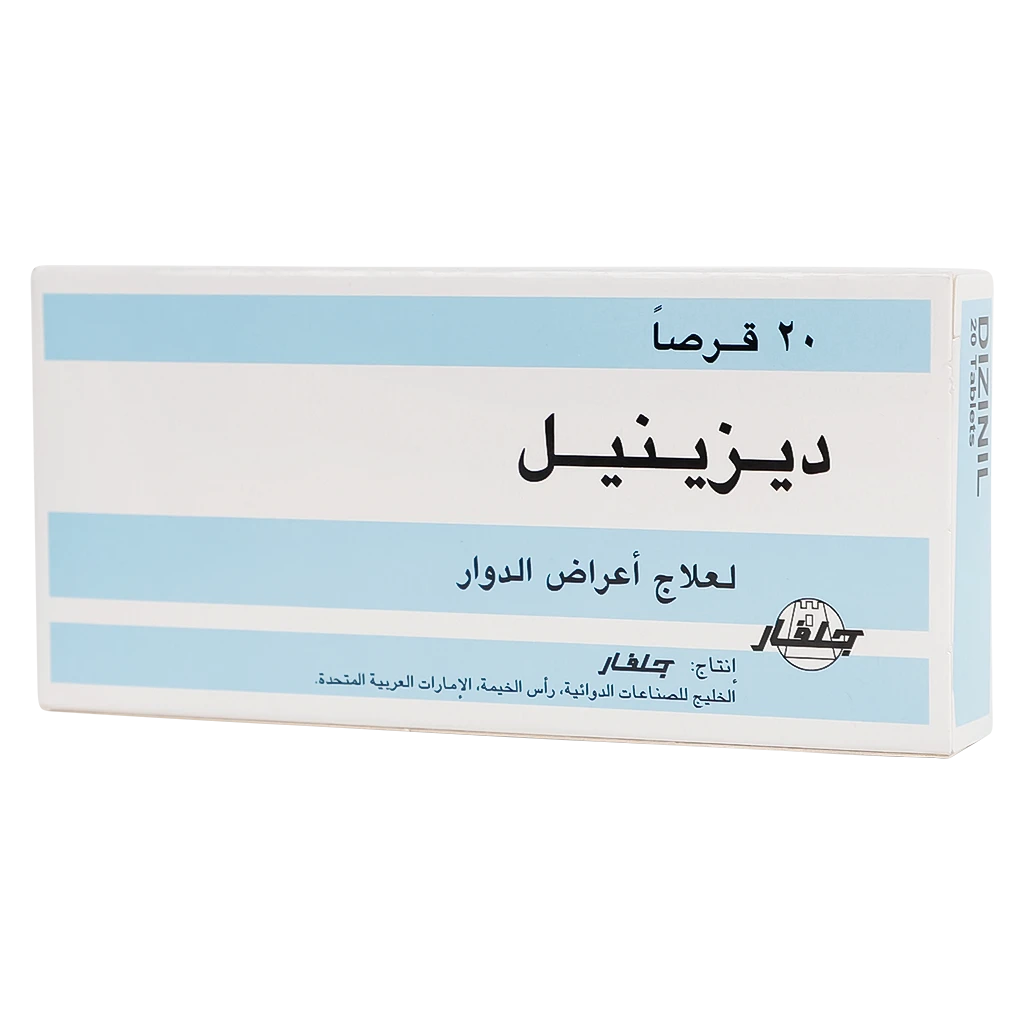
DIZINIL contains dimenhydrinate as the active ingredient. It belongs to a group called antihistamines. It works by reducing symptoms of vertigo (a feeling of dizziness or ’spinning’) and nausea (feeling sick). DIZINIL is used mainly as antiemetic therapy in the prevention and treatment of motion sickness, postoperative vomiting, drug-induced nausea and vomiting, and the symptomatic treatment of nausea and vertigo due to Ménière’s disease and labyrinthitis. How to use Dosage Adults: For motion sickness it is usually given in doses of 50 mg three times daily, the first dose for preventing motion sickness being taken about 30 minutes before the journey. For other treatment, 4-hourly administration may be required. Doses of 100 mg may be required but a daily total of 300 mg should not usually be exceeded. Children: 2 to 6 years: 12.5 to 25 mg two to three times daily. Not more than 75 mg should be given in any 24 hours. Do not exceed the stated dose. 7 to 12 years: 25 to 50 mg two to three times daily. Not more than 150 mg should be given in any 24 hours. Do not exceed the stated dose. Elderly: Same as adult dose Warnings and precautions Talk to your doctor or pharmacist before taking dizinil if you suffer from: Low or high blood pressure, Raised pressure in the eye, An enlarged prostate, Severe heart disease, The use of dizinil may make these conditions worse. Dizinil may still be suitable for you but your doctor may need to take these facts into account. Side Effects If you experience any of the following symptoms you should contact your doctor or go to the hospital straight away: The most common effect is sedation which may vary from slight drowsiness to deep sleep. Dimenhydrinate may be associated with inability to concentrate, lassitude, dizziness, hypotension, muscular weakness and inco-ordination. When they do occur the sedative effects may diminish after a few days. Rare with Dimenhydrinate are gastro-intestinal side effects. Dimenhydrinate may very rarely produce headache, blurred vision, tinnitus, elation or depression, irritability, nightmares, anorexia, difficulty in micturition, dryness in the mouth, tightness in the chest, tingling, heaviness and weakness of the hands. Although cardio-vascular side effects are rare, minor increases in blood pressure and occasional mild hypotension have been reported. Leucopenia and rarely agranulocytosis, jaundice and extra-pyramidal reactions have also been reported. Occasionally hypersensitivity reactions have followed its uses by mouth. These include bronchospasm, angioedema, rashes and photosensitivity. Storage Information Store below 30°C, in a dry place. Drug Interactions Tell your doctor or pharmacist if you are taking, have recently taken or might take any other medicines. Dizinil may interact with other medicines that you are taking. Dizinil can make you tired or sleepy when taken with the medicines listed below: Barbiturates (medicines that are often taken to calm you down) Narcotic analgesics such as morphine Tranquillisers (a type of medicine used to treat depression and anxiety) Monoamine oxidase inhibitors (used to treat depression and anxiety) Dizinil may increase the effects of the following medicines: Tricyclic antidepressants (used to treat depression and anxiety) Medicines taken to lower blood pressure Ingredients The active substance is dimenhydrinate. The other ingredients: maize starch, lactose monohydrate, and magnesium stearate.
We are Sorry, this product is unavailable now, explore other products.