
Product
Product
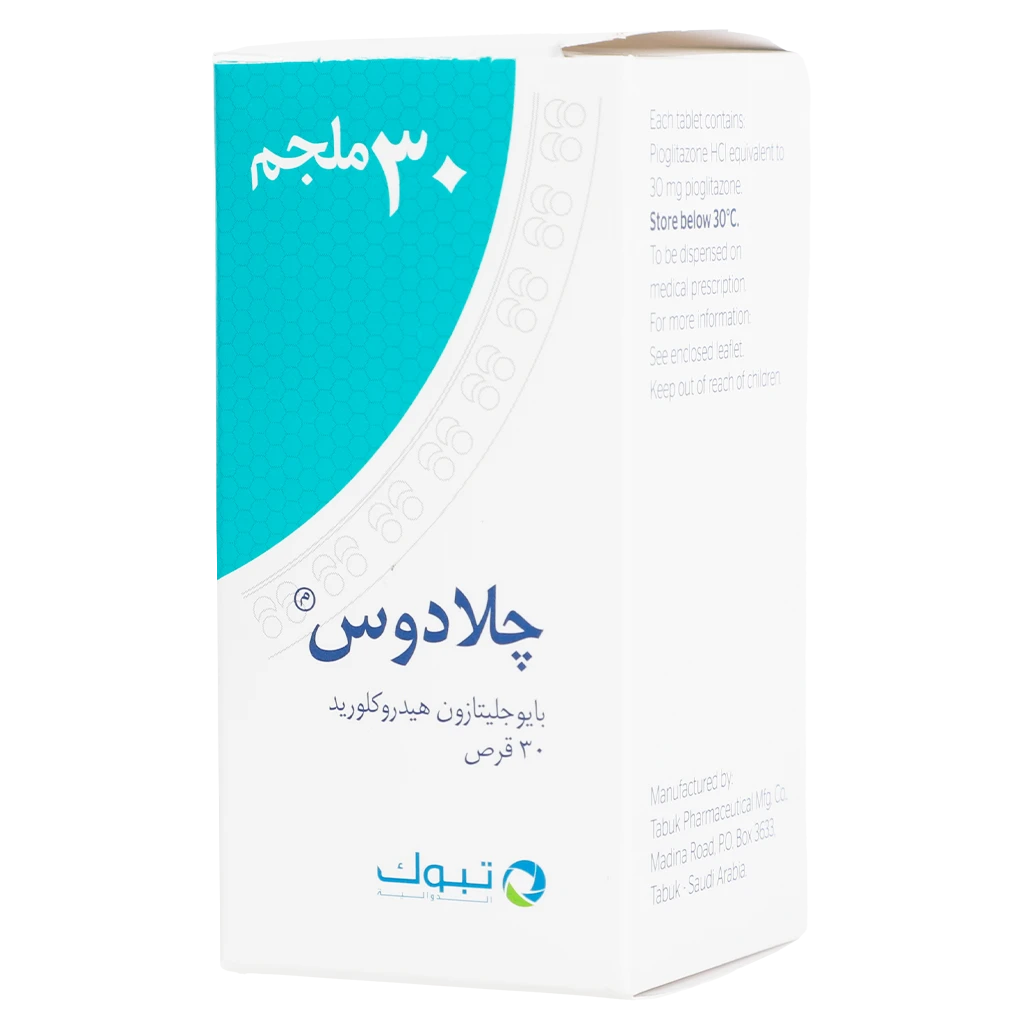
Glados 30 mg 30 tablets is used to treat adult patients with type 2 diabetes (high blood sugar levels due to insulin resistance). Pioglitazone hydrochloride is a medication that belongs to a class of drugs known as "thiazolidinediones." It is used to treat adult patients with type 2 diabetes (high blood sugar levels due to insulin resistance). As an adjunct to diet and exercise to help improve blood sugar control. How to use Be sure to take the medication as prescribed by your doctor. Your doctor will tell you how much of this medicine to take and may change the doses depending on your response to the medicine and other medicines you are taking. Your doctor may recommend additional diabetes medications for you to take with pioglitazone. Take the tablets with or without food. Swallow the tablet whole with a full glass of water. Take the tablets at the same time each day. If you have an infection or fever, be sure to talk to your doctor right away. Your doctor may change the dose of your diabetes medications if necessary. It may take about 2 to 3 months to control your blood sugar. Be sure to follow a healthy diet and exercise program as recommended by your healthcare provider and check your blood sugar levels regularly while taking pioglitazone. The recommended starting dose is 15 mg or 30 mg orally once daily. The starting dose should not exceed 15 mg once daily in patients with class I or II heart failure. Your doctor may increase the dose in 15 mg increments if blood sugar control is not achieved Maximum dose 45 mg. The effectiveness and safety of this medicine in children has not yet been established. Doses may be changed in special circumstances, so always follow the instructions of your doctor or pharmacist. If you take more medicine than you should, talk to your doctor or go to the hospital right away. If you forget to take a dose, take it as soon as you remember unless it is almost time for your next dose. Do not take a double dose (two doses at the same time) to make up for a missed dose. Warnings and precautions Talk to your doctor or pharmacist if you experience allergic reactions such as shortness of breath, rash, swelling of the face or neck, low blood pressure, and dizziness. This medication may cause fluid retention which can lead to heart failure. The risk of fluid retention has been shown to be higher in patients who use insulin with this medication. Be sure to talk to your doctor before starting this medication if you have heart problems (such as heart failure). This medication may cause edema (swelling) that is dose-related. If this happens, be sure to tell your doctor. Your doctor may reduce your dose if necessary. This medication may be associated with liver problems. This medication may increase the risk of fractures in female patients. This medication may increase the risk of bladder cancer, especially when used for a long period of time. Side Effects If you experience any of the following symptoms you should contact your doctor or go to the hospital straight away: Rare and uncommon symptoms such as: Headache Muscle pain Upper respiratory tract infection Sinus infection Signs of an allergic reaction, such as a rash, hives, red, swollen, blistered, or peeling skin with or without a fever Fractures (more likely to occur in women, usually in the upper arm, hand, or foot) Signs of liver problems such as stomach pain, nausea or vomiting, unusual or unexplained tiredness, dark urine, yellowing of your skin or the whites of your eyes, and loss of appetite. Swelling and weight gain. Storage Information Store the medicine at 15 to 30 degrees Celsius. Drug Interactions Tell your doctor or pharmacist if you are taking, have recently taken, or might take any other medicines including prescription and non-prescription medicines, herbal supplements, vitamins, and nutritional supplements. Ingredients Pioglitazone hydrochloride.
We are Sorry, this product is unavailable now, explore other products.