
Product
Product
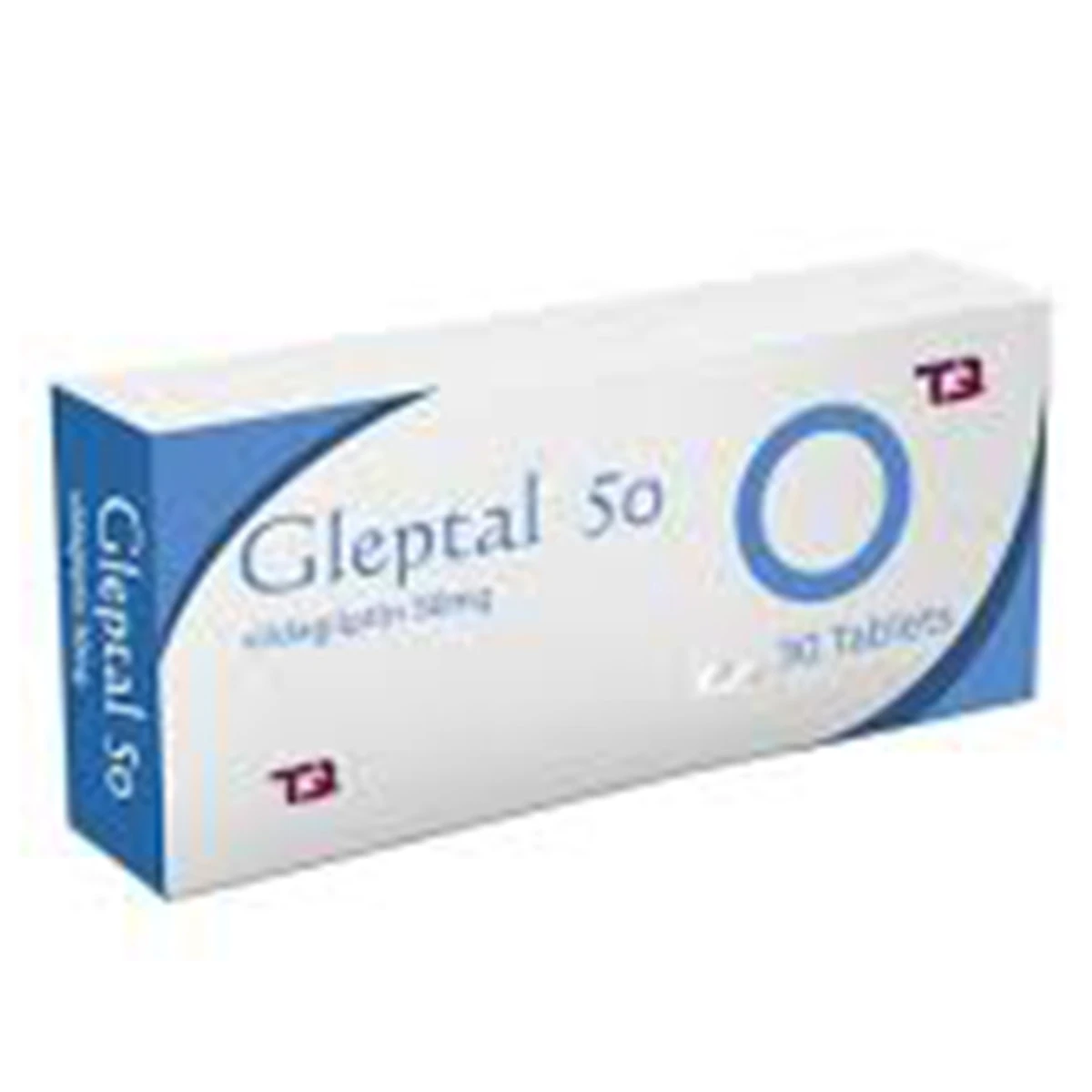
The active substance of Gleptal, vildagliptin, belongs to a group of medicines called “oral antidiabetics”. Gleptal is used to treat adult patients with type 2 diabetes. It is used when diabetes cannot be controlled by diet and exercise alone. It helps to control the level of sugar in the blood. Your doctor will prescribe Gleptal either alone or together with certain other antidiabetic medicines which you will already be taking, if these have not proved sufficiently effective to control diabetes. Type 2 diabetes develops if the body does not make enough insulin or if the insulin that the body makes does not work as well as it should. It can also develop if the body produces too much glucagon. Insulin is a substance which helps to lower the level of sugar in the blood, especially after meals. Glucagon is a substance which triggers the production of sugar by the liver, causing the blood sugar level to rise. The pancreas makes both of these substances. Gleptal works by making the pancreas produce more insulin and less glucagon. This helps to control the blood sugar level. This medicine has been shown to reduce blood sugar, which may help to prevent complications from your diabetes. Even though you are now starting a medicine for your diabetes, it is important that you continue to follow the diet and/or exercise which has been recommended for you. How to use The usual dose of Gleptal is either: * 50 mg daily taken as one dose in the morning if you are taking Gleptal with another medicine called a sulphonylurea. * 100 mg daily taken as 50 mg in the morning and 50 mg in the evening if you are taking Gleptal alone, with another medicine called metformin or a glitazone, with a combination of metformin and a sulphonylurea, or with insulin. * 50 mg daily in the morning if you have moderate or severe kidney disease or if you are on dialysis. How to take Gleptal Swallow the tablets whole with some water. Warnings and precautions Do not take Gleptal: If you are allergic to vildagliptin or any of the other ingredients of this medicine (listed in section 6). If you think you may be allergic to vildagliptin or any of the other ingredients of Gleptal , do not take this medicine and talk to your doctor. Warnings and precautions Talk to your doctor, pharmacist or nurse before taking Gleptal. If you have type 1 diabetes (i.e. your body does not produce insulin) or if you have a condition called diabetic ketoacidosis. If you are taking an anti-diabetic medicine known as a sulphonylurea (your doctor may want to reduce your dose of the sulphonylurea when you take it together with Gleptal in order to avoid low blood glucose [hypoglycaemia]). If you have moderate or severe kidney disease (you will need to take a lower dose of Gleptal). If you are on dialysis. If you have liver disease. If you suffer from heart failure. If you have or have had a disease of the pancreas. * If you have previously taken vildagliptin but had to stop taking it because of liver disease, you should not take this medicine. Side Effects You should stop taking Gleptal and see your doctor immediately if you experience the following side effects: *· Angioedema (rare: may affect up to 1 in 1,000 people): Symptoms include swollen face, tongue or throat, difficulty swallowing, difficulties breathing, sudden onset rash or hives, which may indicate a reaction called “angioedema”. * Liver disease (hepatitis) (rare): Symptoms include yellow skin and eyes, nausea, loss of appetite or dark-coloured urine, which may indicate liver disease (hepatitis). * Inflammation of the pancreas (pancreatitis) (frequency not known): Symptoms include severe and persistent pain in the abdomen (stomach area), which might reach through to your back, as well as nausea and vomiting. Other side effects Some patients have had the following side effects while taking Gleptal and metformin: Common (may affect up to 1 in 10 people): Trembling, headache, dizziness, nausea, low blood glucose Uncommon (may affect up to 1 in 100 people): Tiredness. Some patients have had the following side effects while taking Gleptal and a sulphonylurea: Common: Trembling, headache, dizziness, weakness, low blood glucose Uncommon: Constipation Very rare (may affect up to 1 in 10,000 people): Sore throat, runny nose. Some patients have had the following side effects while taking Gleptal and a glitazone: Common: Weight increase, swollen hands, ankle or feet (oedema) Uncommon: Headache, weakness, low blood glucose. Storage Information Do not store above 30ºC. Store in the original package in order to protect from moisture. Drug Interactions Tell your doctor or pharmacist if you are taking, have recently taken or might take any other medicines. Your doctor may wish to alter your dose of Gleptal if you are taking other medicines such as: Thiazides or other diuretics (also called water tablets) Corticosteroids (generally used to treat inflammation) Thyroid medicines Certain medicines affecting the nervous system. Ingredients The active substance: vildagliptin. Other ingredients: Lactose Anhydrous, Silicified Microcrystalline Cellulose, Sodium Starch Glycolate, and Magnesium Stearate.
We are Sorry, this product is unavailable now, explore other products.