
Product
Product
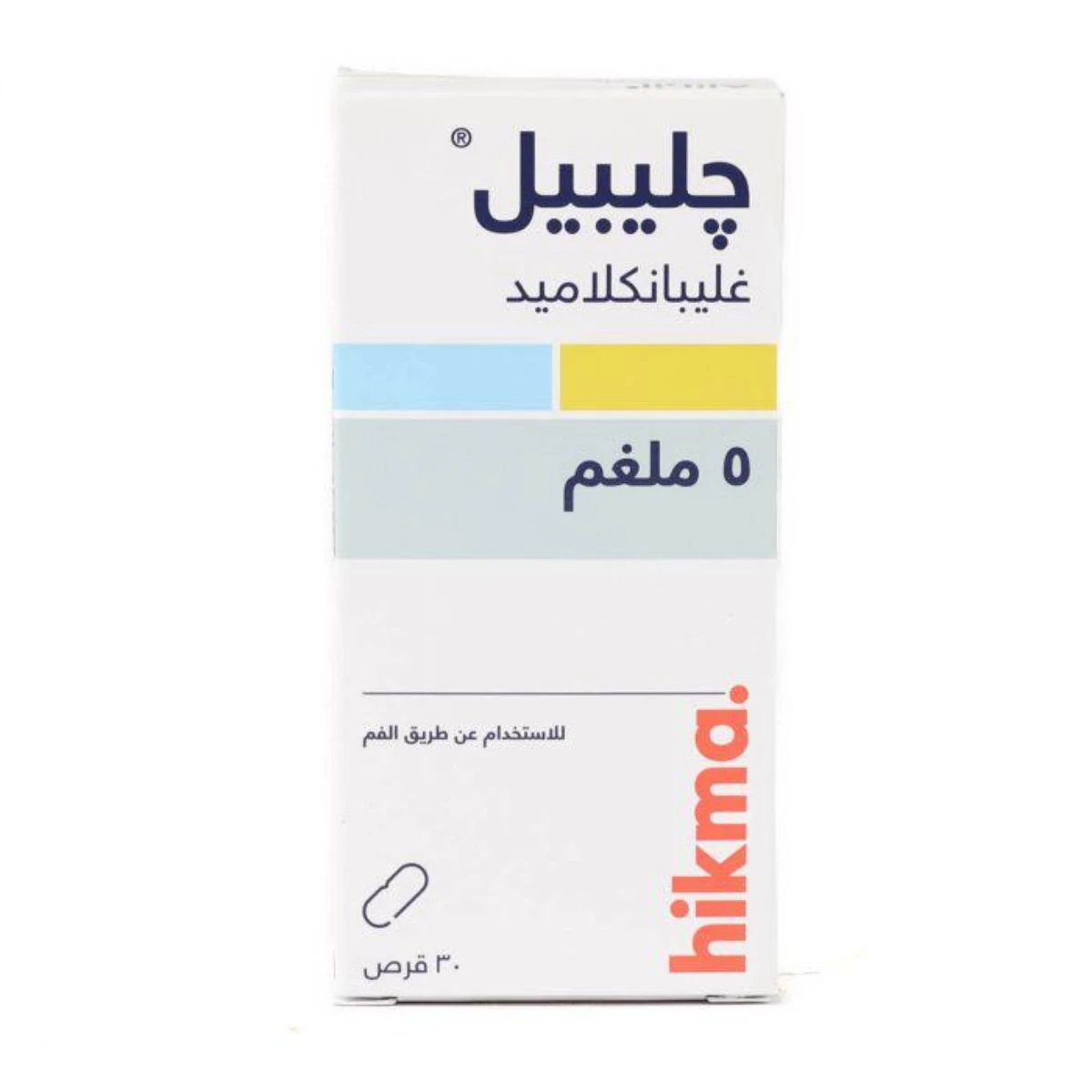
The name of your medicine is Glibil. These tablets belong to a group of medicines called sulphonylureas. Glibil is used to lower blood sugar levels and are used in the treatment of late-onset diabetes (type II diabetes mellitus) in patients whose blood sugar is not controlled by diet alone and who are not suitable for insulin injections. How to use Adults The usual starting dose is 2.5 to 5 mg daily, taken with or immediately after breakfast or your first main meal. This dose will be adjusted by your doctor according to your response to treatment. Total daily dose rarely exceeds 15 mg. Your total daily dose should normally be taken as a single dose at breakfast, or with your first main meal. Infirm patients Such patients may be more at risk of hypoglycaemia, therefore treatment should be started with one 2.5 mg tablet daily. Children Glibil like any other medicine belonging to its class, is not recommended for use in children. Warnings and precautions Do not take Glibil If you: Are allergic (hypersensitive) to glibenclamide, other sulphonylureas or any of the other ingredients in Glibil (see section 6. Contents of the pack and other information). Suffer from early onset or type I diabetes (requiring insulin). Suffer from severe kidney disease. Suffer from liver problems. Are suffering from ketoacidosis (caused by excessively high blood sugars in diabetics). Are suffering from a severe infection. Are suffering from stress. Are suffering from any condition likely to make controlling your blood sugar difficult. Are due to undergo surgery. Are pregnant. Have reduced consciousness or coma resulting from your diabetes. Have porphyria (a disease of blood proteins affecting the skin, gut and nervous system). Are elderly (over 70 years of age). Warnings and precautions This medicine can cause low blood sugar (hypoglycaemia) particularly in the following situations, so patients should use caution: Symptoms of low blood sugar include sweating, hunger, increased heart rate, reduced consciousness, coma or seizures. Low blood sugar may occur: In patients whose diabetes is controlled by diet alone. If you take too high doses of Glibil. If you are malnourished. If you take meals irregularly or skip meals altogether. If you increase your physical activity and carbohydrate intake does not match this increase. If you are unwell. If your kidney function is decreased. If you suffer from particular hormone-induced disorders (functional disorders of the pituitary or adrenal glands). If you drink alcohol, especially in combination with skipped meals. Side Effects As can happen with any medicine, a few people may develop an allergic reaction. If you experience any of the following, seek medical help immediately: Rash, itching and/or difficulty breathing. Side effects that have been reported with glibenclamide are: Rash Itching Sensitivity to light Skin inflammation Jaundice (yellowing of the skin or the whites of the eyes) Blistering of the skin, mouth, eyes and genitals Changes in blood cells Fever Liver problems Low blood sugar (hypoglycaemia, refer to section 2 of this leaflet) Water retention (refer to section 2 of this leaflet) Feeling and being sick (nausea/vomiting) Problems with blood salt levels Anorexia Heartburn Increased appetite Weight gain Metallic taste in mouth Diarrhoea Storage Information Store below 30°C. Store in the original package. Drug Interactions Please tell your doctor or pharmacist if you are taking or have recently taken any other medicines, including medicines obtained without a prescription. The following medicines can affect or be affected by Glibil: Medicines used to reduce pain and inflammation (e.g. aspirin, other non-steroidal anti-inflammatory drugs, azapropazone and phenylbutazone). Medicines used to treat bacterial infections (e.g. isoniazid, rifamycins, chloramphenicol, co-trimoxazole, sulphonamides and tetracyclines). Medicines used to treat depression (e.g. monoamine oxidase inhibitors [MAOIs]). Medicines used to treat fungal infections (e.g. miconazole). Medicines used to treat gout (e.g. allopurinol, sulfinpyrazone and probenecid). Medicines used to treat high blood pressure (e.g. diazoxide, captopril, enalapril and beta-blockers). Medicines used to treat and prevent malaria (e.g. quinine and quinidine). Medicines used to thin the blood and prevent clotting (e.g. warfarin and disopyramide). Medicines used to treat psychosis and other mental illness (e.g. chlorpromazine). Medicines used to treat stomach ulcers (e.g. cimetidine and ranitidine). Medicines used in the treatment of cancer (e.g. crisantaspase). Medicines used to treat water retention and heart failure (e.g. loop and thiazide diuretics). Medicines used to reduce cholesterol (e.g. clofibrate). Lithium (used to treat manic depression/bipolar disorder). Hormone treatments and contraceptives (e.g. testosterone, oestrogens, progesterones, oral contraceptives, anabolic steroids, corticosteroids and ocreotides). Thyroid hormone (used to treat an underactive thyroid gland). Ciclosporin, used to prevent organ transplant rejection. Bosentan, used to treat high blood pressure. Ingredients The active substance is glibenclamide The other ingredients are microcrystalline cellulose, sodium lauryl sulfate, sodium starch glycolate, colloidal silicon dioxide and magnesium stearate. Specifications Glibil 5 mg Tablets are white small bisected capsule-shaped tablets engraved with “H33” on one side and the other side is plane in aluminum foil/PVC blisters.
We are Sorry, this product is unavailable now, explore other products.