
Product
Product
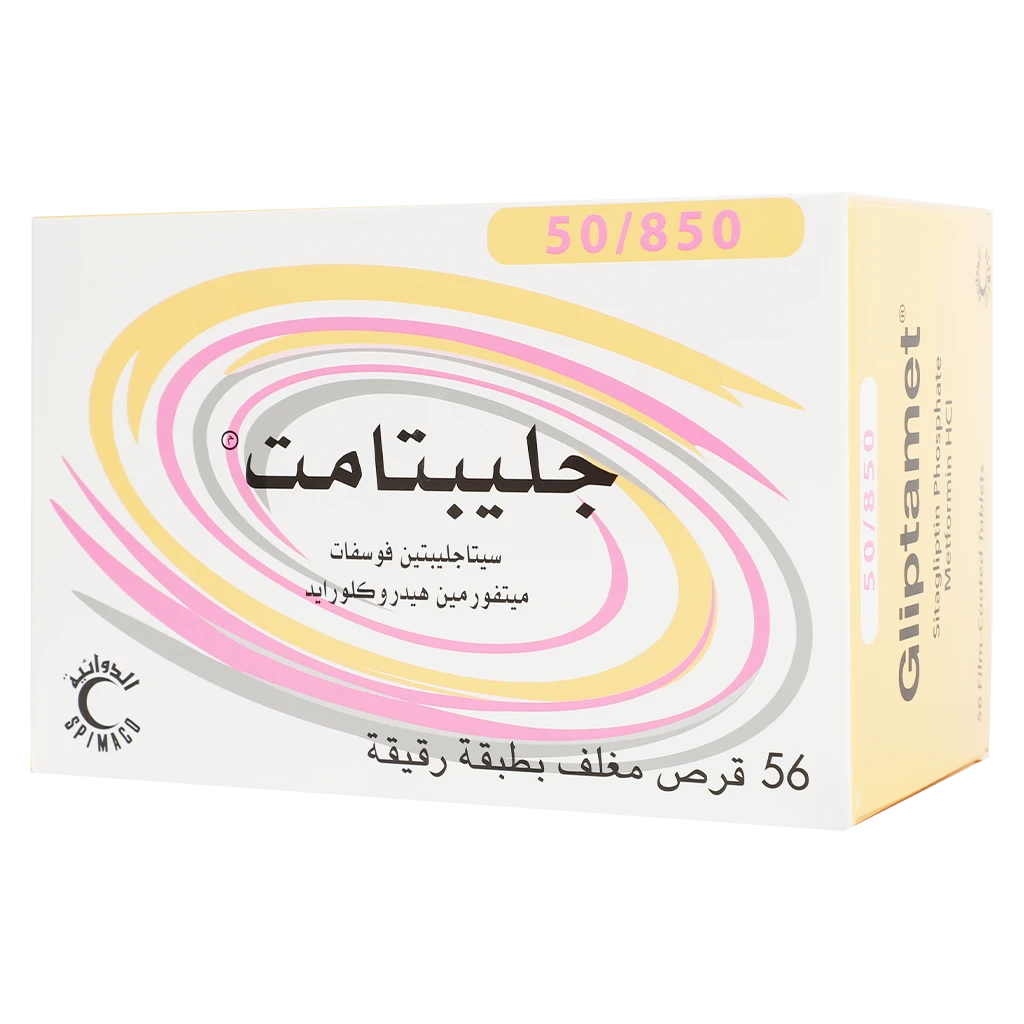
Gliptamet contains two different medicines called sitagliptin and metformin. Sitagliptin belongs to a class of medicines called DPP-4 inhibitors (dipeptidyl peptidase-4 inhibitors) Metformin belongs to a class of medicines called biguanides. They work together to control blood sugar levels in adult patients with a form of diabetes called ‘type 2 diabetes mellitus’. This medicine helps to increase the levels of insulin produced after a meal and lowers the amount of sugar made by your body. Along with diet and exercise, this medicine helps lower your blood sugar. This medicine can be used alone or with certain other medicines for diabetes (insulin, sulphonylureas, or glitazones). How to use Take one tablet: Twice daily by mouth with meals to lower your chance of an upset stomach. Your doctor may need to increase your dose to control your blood sugar. If you have reduced kidney function, your doctor may prescribe a lower dose. You should continue the diet recommended by your doctor during treatment with this medicine and take care that your carbohydrate intake is equally distributed over the day. Warnings and precautions Cases of inflammation of the pancreas (pancreatitis) have been reported in patients receiving this medicine. If you experience skin blistering, it may be a sign of a condition called bullous pemphigoid. Your doctor may ask you to stop this medication. Risk of lactic acidosis. Talk to your doctor or pharmacist before taking: If you have or have ever had a disease of the pancreas (such as pancreatitis) If you have gallstones, alcoholism or very high levels of triglycerides (a type of fat) in your blood. If you have type 1 diabetes. This is sometimes called insulin-dependent diabetes. If you have or have had an allergic reaction to sitagliptin, metformin If you are taking a sulfonylurea or insulin and diabetes medications, together Side Effects If you experience any of the following symptoms you should contact your doctor or go to the hospital straight away: Some patients taking metformin have experienced the following side effects after starting sitagliptin: Common (may affect up to 1 in 10 people): low blood sugar, nausea, flatulence, vomiting. Some patients have experienced the following side effects while taking this medicine with a sulphonylurea such as glimepiride: Very common (may affect more than 1 in 10 people): low blood sugar Common: constipation Some patients have experienced the following side effects while taking this medicine in combination with pioglitazone: Common: swelling of the hands or legs Storage Information Do not store above 30°C. Drug Interactions Tell your doctor or pharmacist if you are taking, have recently taken or might take any other medicines. You may need more frequent blood glucose and kidney function tests, or your doctor may need to adjust the dosage of gliptamet. It is especially important to mention the following: Medicines (taken by mouth, inhalation, or injection) used to treat diseases that involve inflammation, like asthma and arthritis (corticosteroids) Medicines which increase urine production (diuretics) Medicines used to treat pain and inflammation (nsaid and cox-2-inhibitors, such as ibuprofen and celecoxib) Certain medicines for the treatment of high blood pressure (ace inhibitors and angiotensin ii receptor antagonists) Specific medicines for the treatment of bronchial asthma (β-sympathomimetics) Iodinated contrast agents or alcohol-containing medicines Certain medicines used to treat stomach problems such as cimetidine Ranolazine, a medicine used to treat angina Ingredients The active substances are sitagliptin and metformin Specifications Gliptamet 50 mg/850 mg film-coated tablets are capsule-shaped, pink film-coated tablets with “515” debossed on one side.
We are Sorry, this product is unavailable now, explore other products.