
Product
Product
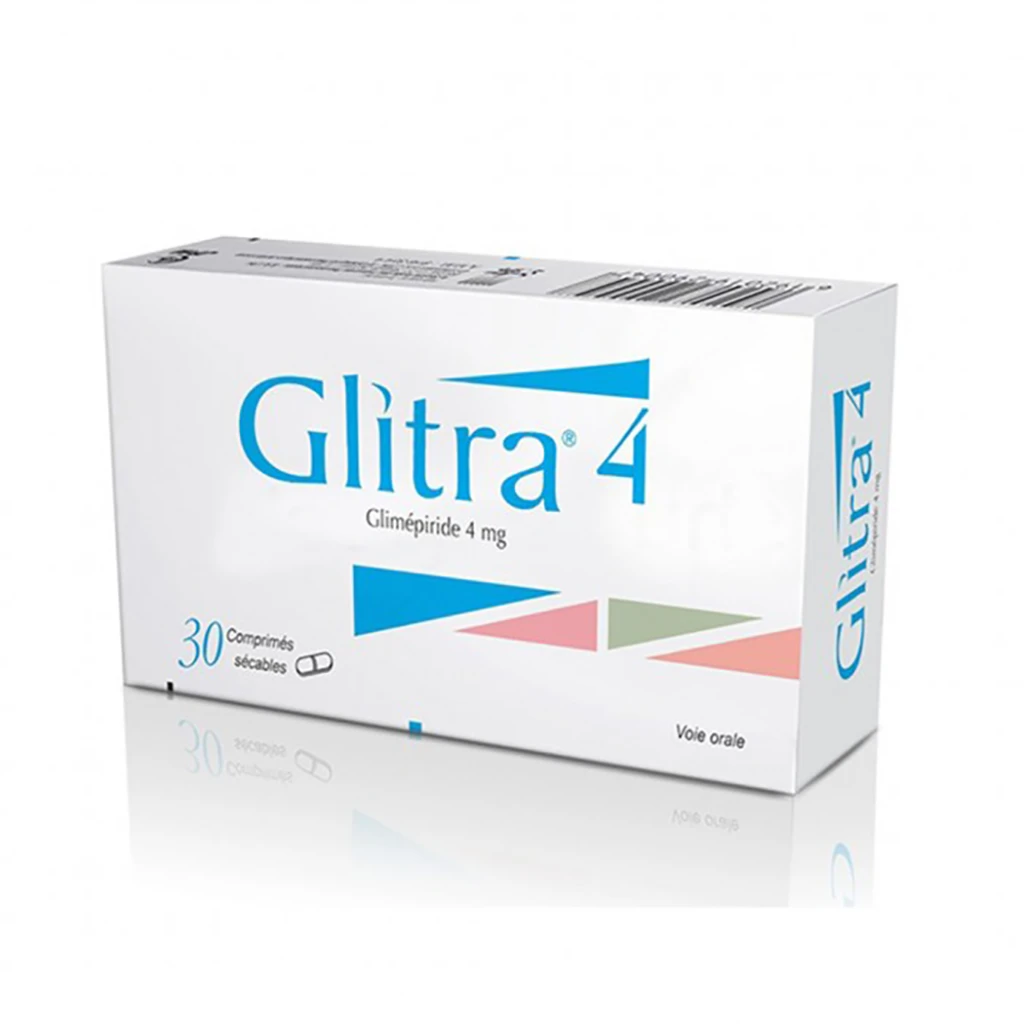
GLITRA is an orally active blood sugar lowering medicine. This medicine belongs to a group of medicines called sulfonylureas. GLITRA works by increasing the amount of insulin released from your pancreas. The insulin then lowers your blood sugar levels. GLITRA is used to treat a certain form of diabetes (type 2 diabetes mellitus) when diet, physical exercise and weight reduction alone have not been able to control your blood sugar levels. How to use Taking GLITRA Take this medicine by mouth, just before or with the first main meal of the day (usually breakfast). If you do not have breakfast you should take the medicine on schedule as prescribed by your doctor. It is important not to leave out any meal when you are on GLITRA Swallow the tablets with at least half glass of water. Do not crush or chew the tablets. How much to take: The dose of GLITRA depends on your needs, condition and results of blood and urine sugar tests and is determined by your doctor. Do not take more tablets than your doctor has prescribed. The usual starting dose is one GLITRA 1 mg tablet once a day If necessary, your doctor may increase the dose after each 1-2 weeks of treatment The maximum recommended dose is 6 mg GLITRA per day A combination therapy of glimepiride plus metformin or of glimepiride plus insulin may be started. In such a case your doctor will determine the proper doses of glimepiride, metformin or insulin individually for you If your weight changes or if you change your lifestyle,or you are in a stress situation this may require changed GLITRA doses, therefore inform your doctor. If you feel the effect of your medicine is too weak or too strong do not change the dose yourself, but ask your doctor. Warnings and precautions Do not take GLITRA: If you are allergic to: Glimepiride or other sulfonylureas (medicines used to lower your blood sugar such as glibenclamide) or sulfonamides (medicines for bacterial infections such as sulfamethoxazole) or any of the other ingredients of GLITRA (listed in Section6). If you have insulin dependent diabetes (type 1 diabetes mellitus). If you have diabetic ketoacidosis (a complication of diabetes when your acid level is raised in your body and you may have some of the following signs: fatigue, feeling sick (nausea), frequent urination and muscular stiffness). If you are in a diabetic coma If you have severe kidney disease If you have a severe liver disease Do not take this medicine if any of the above applies to you. If you are not sure, talk to your doctor or pharmacist before taking GLITRA. Take special care with GLITRA: Talk to your doctor or pharmacist before taking your medicine: If you are recovering from an injury, operation, infections with fever or from other forms of stress, inform your doctor as temporary change of treatment may be necessary. If you have a severe liver or kidney disorder. If you are not sure if any of these apply to you, talk to your doctor or pharmacist before taking GLITRA. Lowering of the hemoglobin level and breakdown of red blood cells (hemolytic anemia) can occur in patients missing the enzyme glucose-6-phosphate dehydrogenase. The information available on the use of GLITRA in people under 18 years of age is limited. Therefore, its use in these patients is not recommended. Side Effects Tell your doctor immediately if you experience any of the following symptoms: Allergic reactions (including inflammation of blood vessels, often with skin rash) which may develop into serious reactions with difficulty in breathing, fall in blood pressure and sometimes progressing to shock Abnormal liver function including yellowing of the skin and eyes (jaundice), problems with the bile flow (cholestasis), inflammation of the liver (hepatitis) or liver failure Allergy (hypersensitivity) of the skin such as itching, rash hives and increased sensitivity to sun. Some mild allergic reactions may develop into serious reactions Severe hypoglycaemia including loss of consciousness, seizures or coma. Storage Information Do not store above 30°C. Drug Interactions The following medicines can increase the blood sugar lowering effect of GLITRA. This can lead to a risk of hypoglycemia (low blood sugar): Other medicinal products to treat diabetes mellitus (such as insulin or metformin). Medicinal products to treat pain and inflammation (phenylbutazone, azopropazone, oxyphenbutazone, aspirin-like medicines). Medicinal products to treat urinary infections (such as some long acting sulfonamides). Medicinal products to treat bacterial and fungal infections (tetracyclines, chloramphenicol, fluconazole, miconazole, quinolones, clarithromycin). Medicinal products to inhibit blood clotting (coumarin derivatives such as warfarin). Medicinal products supporting muscle build up (anabolics). Medicinal products used for male sex hormone replacement therapy. Medicinal products to treat depression (fluoxetine, MAO-inhibitors). Medicinal products lowering high cholesterol level (fibrates). Medicinal products lowering high blood pressure (ACE inhibitors). Ingredients The active substance is Glimepiride. GLITRA 3 and GLITRA 4: Lactose monohydrate, microcrystalline cellulose180 micrometer, sodium starch glycolate type A, povidone K-25, iron oxide yellow, polysorbate 80, magnesium stearate. Specifications GLITRA 4 mg tablets are creamy to pale yellow, shallow biconvex oblong uncoated tablets debossed with “GT4” on one side and plain on the other side.
We are Sorry, this product is unavailable now, explore other products.