
Product
Product
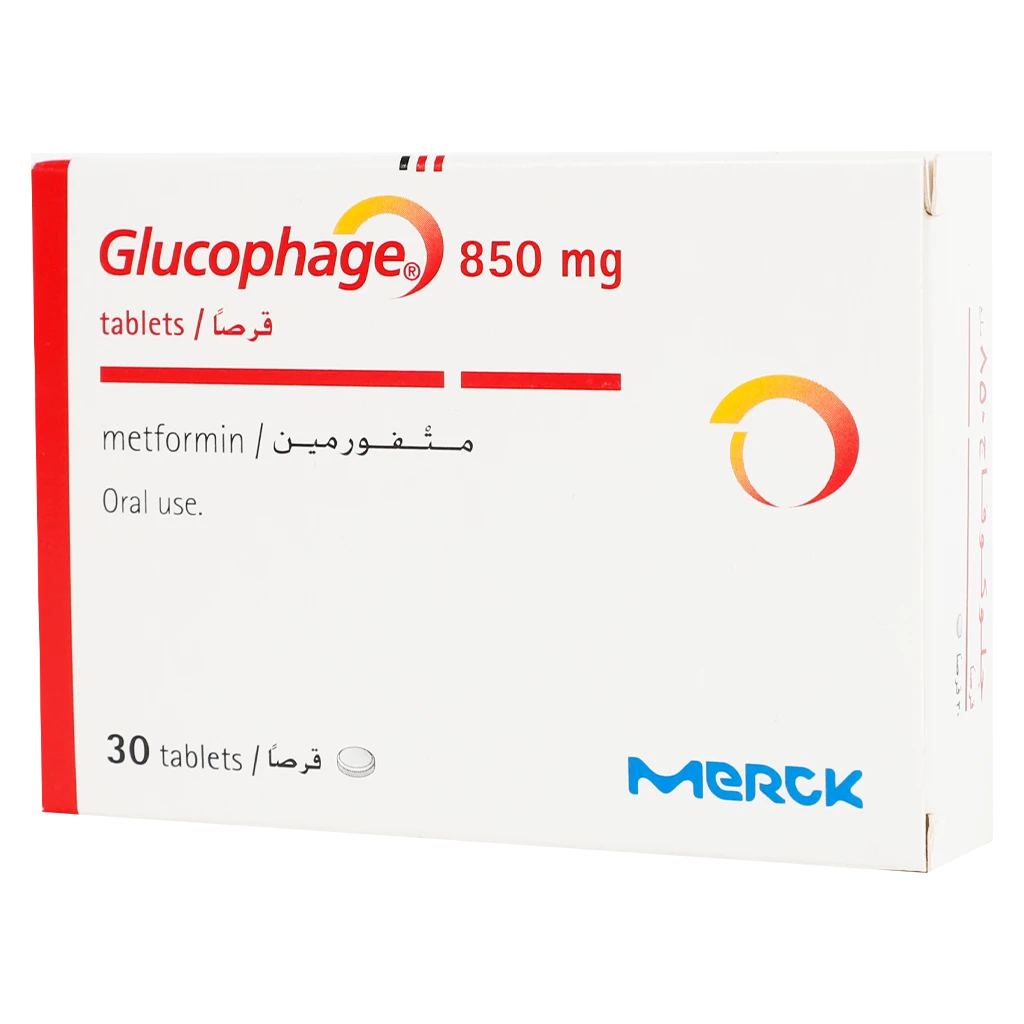
Glucophage contains metformin, a medicine to treat diabetes. It belongs to a group of medicines called biguanides. Insulin is a hormone produced by the pancreas that makes your body take in glucose (sugar) from the blood. Your body uses glucose to produce energy or stores it for future use. If you have diabetes, your pancreas does not make enough insulin, or your body is not able to use properly the insulin it produces. This leads to a high level of glucose in your blood. Glucophage helps to lower your blood glucose to as normal a level as possible. If you are an overweight adult, taking Glucophage over a long period of time also helps to lower the risk of complications associated with diabetes. Glucophage is associated with either a stable body weight or modest weight loss. Glucophage is used to treat patients with type 2 diabetes (also called 'non-insulin dependent diabetes') when diet and exercise alone have not been enough to control your blood glucose levels. It is used particularly in overweight patients. How to use Children 10 years and over and adolescents usually start with 500 mg or 850 mg Glucophage once a day. The maximum daily dose is 2000 mg taken as 2 or 3 divided doses. Treatment of children between 10 and 12 years of age is only recommended on specific advice from your doctor, as experience in this age group is limited. Adults usually start with 500 mg or 850 mg Glucophage two or three times a day. The maximum daily dose is 3000 mg taken as 3 divided doses. Warnings and precautions Glucophage may cause a very rare, but very serious side effect called lactic acidosis, particularly if your kidneys are not working properly. The risk of developing lactic acidosis is also increased with uncontrolled diabetes, serious infections, prolonged fasting or alcohol intake, dehydration, liver problems and any medical conditions in which a part of the body has a reduced supply of oxygen (such as acute severe heart disease). Side Effects Very common side effects (in more than 1 in 10 people) Digestive problems, such as feeling sick (nausea), being sick (vomiting), diarrhoea, bellyache (abdominal pain) and loss of appetite. These side effects most often happen at the beginning of the treatment with Glucophage. It helps if you spread the doses over the day and if you take Glucophage with or straight after a meal. If symptoms continue, stop taking Glucophage and talk to your doctor. Common side effects (in less than 1 in 10 people) Changes in taste. Storage Information Store Below 25 C Drug Interactions Tell your doctor if you are taking, have recently taken or might take any other medicines. You may need more frequent blood glucose and kidney function tests, or your doctor may need to adjust the dosage of Glucophage. It is especially important to mention the following: Medicines which increase urine production (diuretics). Medicines used to treat pain and inflammation (NSAID and COX-2-inhibitors, such as ibuprofen and celecoxib). Certain medicines for the treatment of high blood pressure (ACE inhibitors and angiotensin II receptor antagonists). Beta-2 agonists such as salbutamol or terbutaline (used to treat asthma). Corticosteroids (used to treat a variety of conditions, such as severe inflammation of the skin or in asthma). Medicines that may change the amount of Glucophage in your blood, especially if you have reduced kidney function (such as verapamil, rifampicin; cimetidine, dolutegravir, ranolazine, trimethoprim, vandetanib, isavuconazole, crizotinib, olaparib). Other medicines used to treat diabetes. Ingredients The active substance is metformin hydrochloride. The other ingredients are povidone K 30, magnesium stearate, Hypromellose Specifications Glucophage 850 mg film-coated tablets are white, circular convex
We are Sorry, this product is unavailable now, explore other products.