
Product
Product
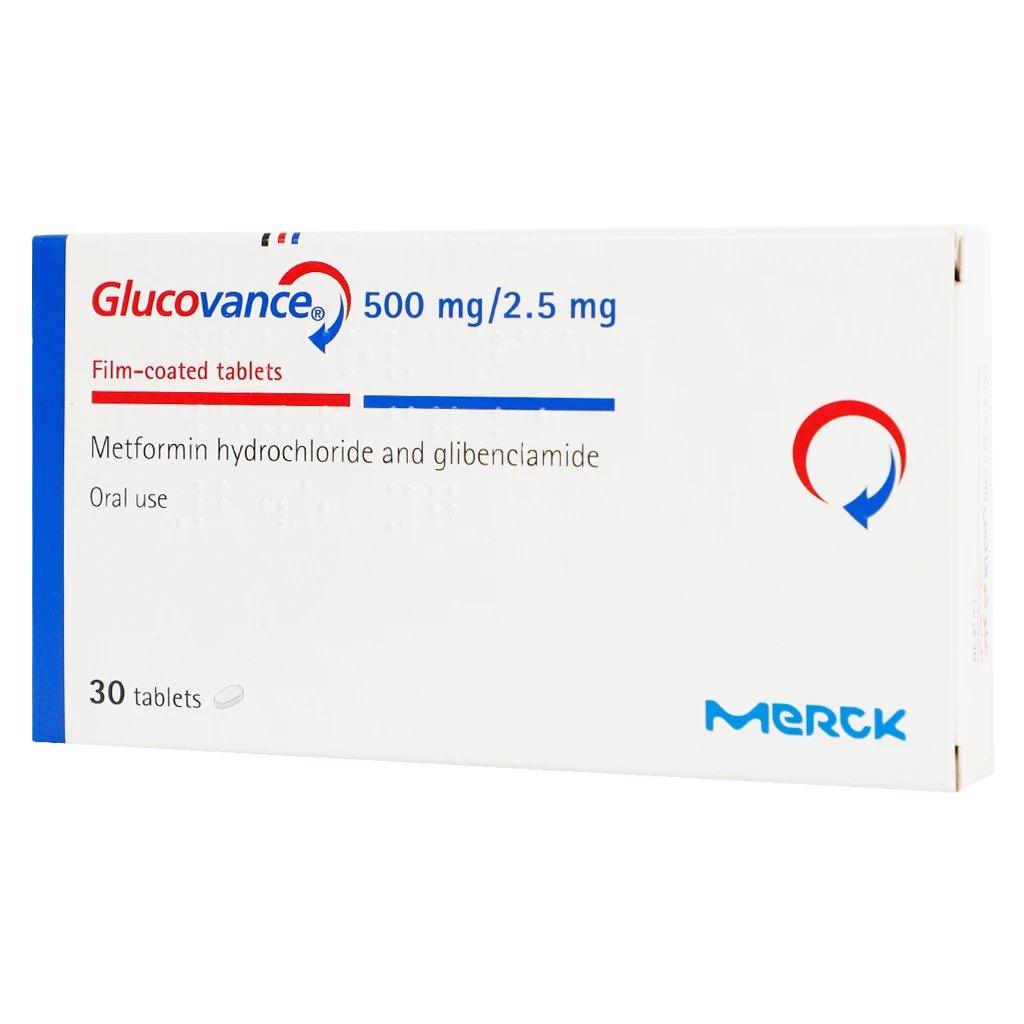
Glucovance ismade up of two antidiabetic medicines, which belong to the groups of medicines called biguanide (metformin hydrochloride) and sulphonylurea (glibenclamide). Insulin is a hormone that enables body tissues to take up glucose (sugar) from the blood and to use it for producing energy or to store it for future use. Patients with type 2 diabetes mellitus (i.e. non-insulin dependent diabetes) do not produce enough insulin in their pancreas or their body does not respond properly to the insulin it produces. This causes an increased level of glucose in the blood. Glucovance helps to reduce their blood sugar towards a normal level. Glucovance is used for the oral treatment (via the mouth) of type 2 diabetes mellitus in adult patients. It is used to replace the combination of the two active substances of Glucovance (metformin hydrochloride and glibenclamide) given separately in patients previously treated with this combination, if the combination was effective in controlling the patients’ glucose level in the blood. How to use Take the tablets with a meal. Swallow each tablet whole with a glass of water. Do not crush or chew them before swallowing. Take the tablets Once a day, in the morning (breakfast) if you take 1 tablet per day Twice a day, in the morning (breakfast) and evening (dinner) if you take 2 or 4 tablets per day Three times a day, in the morning (breakfast), noon (lunch) and evening (dinner), if you take 3, 5 or 6 tablets per day. Warnings and precautions Tell your doctor about all of your health conditions, including if you have: If you are recovering from an injury, operation, infection, fever, or other forms of stress. If you have liver or kidney problems. If you have a deficiency of an enzyme called glucose-6-phosphate dehydrogenase (G6PD). If you have heart disease. You should stop taking this medicine for a period of time before having major surgery. Talk to your doctor. This medicine may cause a serious but rare complication called lactic acidosis, especially if you have poor kidney function. Signs of lactic acidosis include abdominal pain, vomiting, muscle cramps, extreme tiredness, difficulty breathing, low body temperature, and a rapid heartbeat. This medicine may cause your blood sugar to drop, especially if you miss a meal, exercise a lot, or drink alcohol. Signs of low blood sugar include: nausea, hunger, shakiness, dizziness, confusion, drowsiness, trouble speaking, and sweating. You can have a sugar cube or some juice Side Effects If you experience any of the following symptoms you should contact your doctor or go to the hospital straight away: Serious side effects: Allergic reactions Low blood sugar levels Liver problems Lactic acidosis Storage Information Store below 30°C. Drug Interactions Tell your doctor about all the medicines you take. Glibenclamide/Metformin Hydrochloride interacts with many drugs including: Other medications used for diabetes Some high blood pressure medications Birth control pills Medications to treat mood disorders Some antibiotics Non-steroidal anti-inflammatory drugs Corticosteroids Anticoagulants such as warfarin Phenytoin Digoxin Some medications to lower blood cholesterol. Some medications for treating asthma, such as salbutamol. Dyes used in X-rays Ingredients The active substances are metformin hydrochloride and glibenclamide.
We are Sorry, this product is unavailable now, explore other products.