
Product
Product
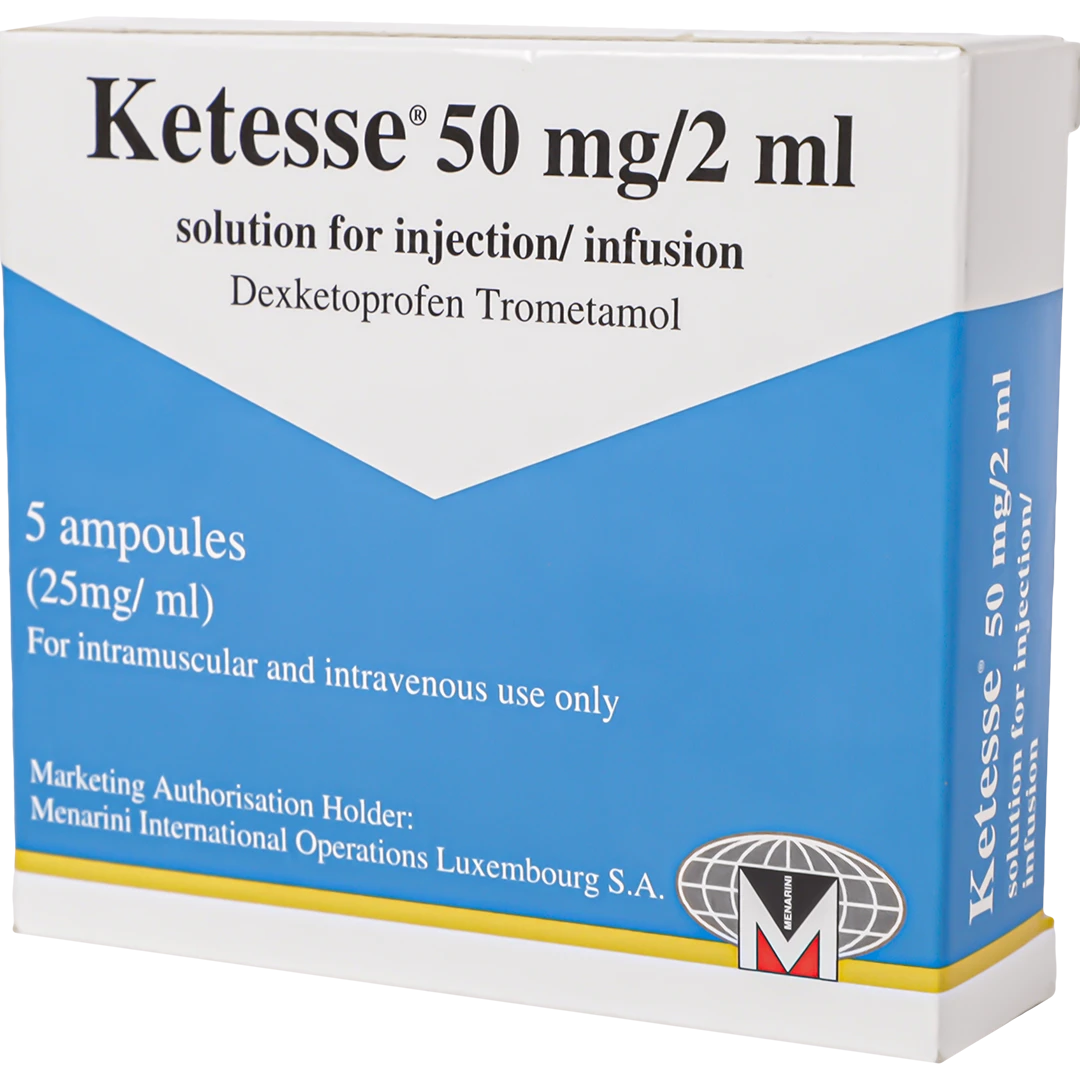
Ketesse is a pain killer from the group of medicines called non-steroidal anti-inflammatory drugs (NSAIDs). It is used to treat mild to moderate pain, such as muscular pain, painful periods (dysmenorrhoea), toothache. How to use The dosage is determined based on the condition, typically 25 mg every 4-6 hours or 25 mg every 8 hours. Warnings and precautions Do not take Ketesse: If you are allergic to dexketoprofen or any of the other ingredients of this medicine (listed in section 6); If you are allergic to acetylsalicylic acid or to other non-steroidal anti-inflammatory medicines; If you have asthma or have suffered attacks of asthma, acute allergic rhinitis (a short period of inflamed lining of the nose), nasal polyps (lumps within the nose due to allergy), urticaria (skin rash), angioedema (swollen face, eyes, lips, or tongue, or respiratory distress) or wheezing in the chest after taking aspirin or other non-steroidal anti-inflammatory medicines; If you have suffered from photoallergic or phototoxic reactions (a particular form of reddening and/or blistering of the skin exposed to sunlight) while taking ketoprofen (a non-steroidal anti-inflammatory drug) or fibrates (drugs used to lower the level of fats in the blood); If you have a peptic ulcer/stomach or bowel bleeding or if you have suffered in the past from stomach or bowel bleeding, ulceration or perforation; If you have chronic digestive problems (e.g. indigestion, heartburn); Take special care with Ketesse Talk to your doctor or pharmacist before taking Ketesse: If you suffer from allergy, or if you have had allergy problems in the past; If you have kidney, liver or heart problems (hypertension and/or heart failure) as well as fluid retention, or have suffered from any of these problems in the past; If you are taking diuretics or you suffer from very poor hydration and reduced blood volume due to an excessive loss of fluids (e.g. from excessive urination, diarrhoea or vomiting); If you have heart problems, previous stroke or think that you might be at risk of these conditions (for example if you have high blood pressure, diabetes or high cholesterol or are a smoker) you should discuss your treatment with your doctor or pharmacist; medicines such as Ketesse may be associated with a small increased risk of heart attack (“myocardial infarction”) or stroke. Any risk is more likely with high doses and prolonged treatment. Do not exceed the recommended dose or duration of treatment. If you are elderly: you may be more likely to suffer from side effects (see section 4). If any of these occur, consult your doctor immediately; If you are a woman with fertility problems (Ketesse may impair your fertility, therefore you should not take it if you are planning to become pregnant or you are doing fertility tests); Side Effects Possible side effects are listed below according to how likely they are to occur. Common side effects: may affect up to 1 in 10 people Nausea and/or vomiting, stomach pain, diarrhoea, digestive problems (dyspepsia). Uncommon side effects: may affect up to 1 in 100 people Spinning sensation (vertigo), dizziness, sleepiness, disturbed sleep, nervousness, headache, palpitations, flushing, stomach problems, constipation, dry mouth, flatulence, skin rash, tiredness, pain, feeling feverish and shivering, generally feeling unwell (malaise). Storage Information Do not store above 30 °C. Drug Interactions Always inform your doctor, dentist or pharmacist if you are using or receiving any of the following medicines in addition to Ketesse: Inadvisable combinations: Acetylsalycilic acid (aspirin), corticostereoids or other anti-inflammatory drugs Warfarin, heparin or other medicines used to prevent blood clots Lithium, used to treat certain mood disorders Methotrexate, used for rheumatoid arthritis and cancer Hydantoins and phenytoin, used for epilepsy Sulphametoxazole, used for bacterial infections Combinations requiring precautions: ACE inhibitors, diuretics, beta-blockers and angiotensin II antagonists, used for high blood pressure and heart problems Pentoxifylline and oxpentifylline, used to treat chronic venous ulcers Zidovudine, used to treat viral infections Aminoglycosides antibiotics, used to treat bacterial infections Chlorpropamide and glibenclamide, used for diabetes Ingredients The active substance is dexketoprofen trometamol (36.90 mg) corresponding to dexketoprofen (INN) 25 mg.
We are Sorry, this product is unavailable now, explore other products.