
Product
Product
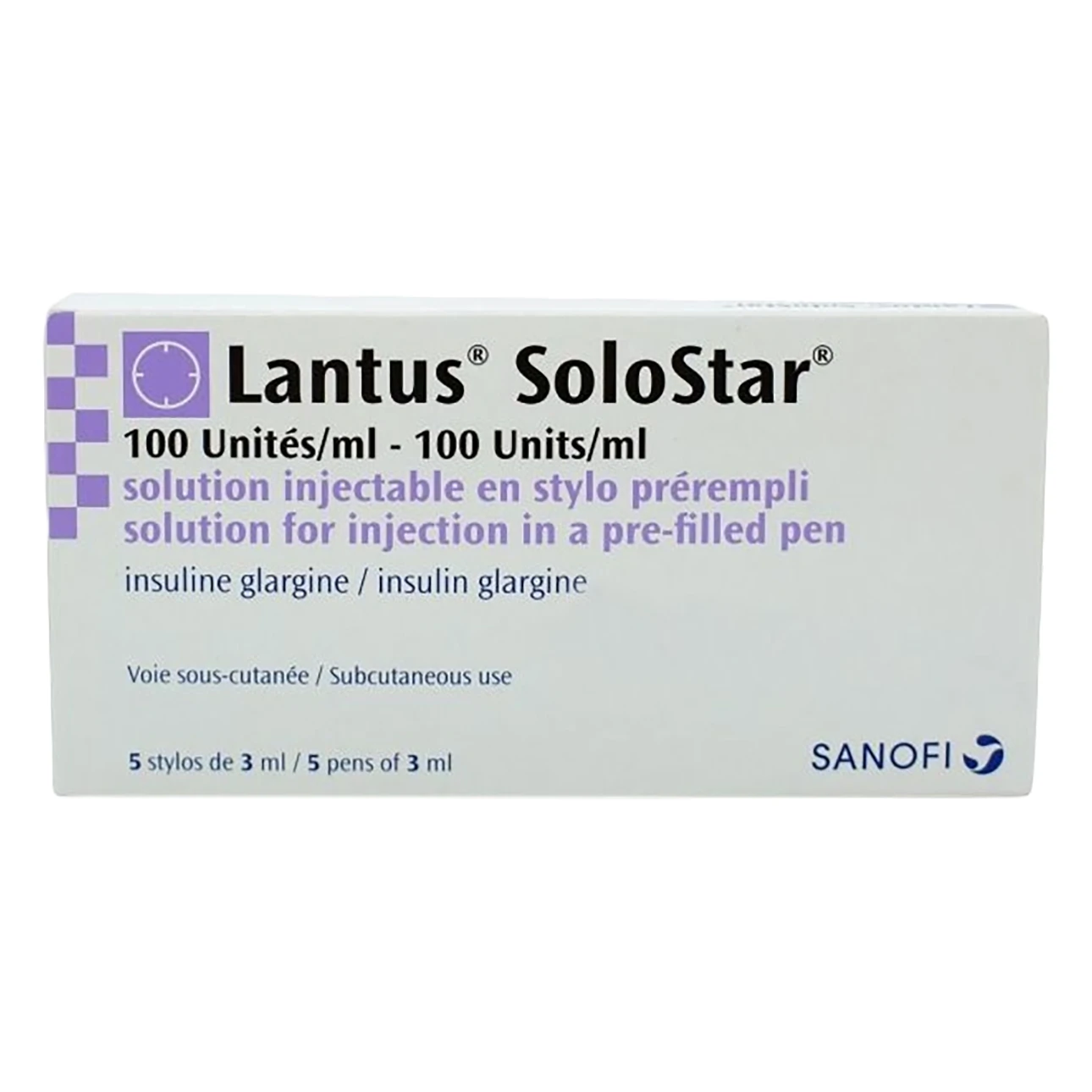
Lantus contains insulin glargine. This is a modified insulin, very similar to human insulin. Lantus is used to treat diabetes mellitus in adults, adolescents and children aged 2 years and above. Diabetes mellitus is a disease where your body does not produce enough insulin to control the level of blood sugar. Insulin glargine has a long and steady blood-sugar-lowering action. How to use Always use this medicine exactly as your doctor has told you. Use insulin glargine once each day, preferably at the same time each day. Insulin glargine is for injection under the skin (subcutaneously). You should not inject yourself directly into a vein (intravenously) or into a muscle (into a muscle). With each injection, change the injection site within the area of skin you are using. This may reduce the risk of developing lumps or pitting of the skin. The best places to inject are: the front of the waist (abdomen), the upper arm, or the front of the thighs. Insulin will work faster if it is injected into the front of your waist. You should always check your blood sugar regularly. Insulin glargine can be used in adolescents and children aged 1 year and older. There is no experience with the use of insulin glargine in children under 1 year of age. Warnings and precautions Talk to your doctor, pharmacist or nurse before using insulin glargine. Be especially aware of the following: Low blood sugar (hypoglycemia) High blood sugar (hyperglycemia) Switching from another insulin Pioglitazone is used with insulin. Eye disorder Make sure to use the right type of insulin. Skin changes at injection site Side Effects If you experience any of the following symptoms you should contact your doctor or go to the hospital straight away: Common reported side effects (may affect up to 1 in 10 people) Skin changes at the injection site If you inject your insulin too often at the same skin site, fatty tissue under the skin at this site may either shrink (lipoatrophy, may affect up to 1 in 100 people) or thicken (lipohypertrophy). The insulin may not work very well. Change the injection site with each injection to help prevent these skin changes. Skin and allergic reactions at the injection site The signs may include reddening, unusually intense pain when injecting, itching, hives, swelling or inflammation. This can spread around the injection site. Most minor reactions to insulins usually disappear in a few days to a few weeks. Rare reported side effect (may affect up to 1 in 1,000 people) Eye reactions A marked change (improvement or worsening) in your blood sugar control can disturb your vision temporarily. If you have proliferative retinopathy (an eye disease related to diabetes) severe hypoglycaemic attacks may cause temporary loss of vision. General disorders In rare cases, insulin treatment may also cause temporary build-up of water in the body, with swelling in the calves and ankles. Very rare reported side-effects (may affect up to 1 in 10,000 people) In very rare cases, dysgeusia (taste disorders) and myalgia (muscular pain) can occur. Storage Information Not in-use pens Store in a refrigerator (2°C-8°C). Do not freeze or place next to the freezer compartment or a freezer pack. Keep the pre-filled pen in the outer carton in order to protect from light. In use pens Pre-filled pens in use or carried as a spare may be stored for a maximum of 4 weeks not above 30°C and away from direct heat or direct light.The pen in use must not be stored in the refrigerator Do not use it after this time period. Drug Interactions Medicines that may cause your blood sugar level to fall (hypoglycaemia) include: All other medicines to treat diabetes, Angiotensin converting enzyme (ace) inhibitors (used to treat certain heart conditions or high blood pressure), Disopyramide (used to treat certain heart conditions), Fluoxetine (used to treat depression), Fibrates (used to lower high levels of blood lipids), Monoamine oxidase (mao) inhibitors (used to treat depression), pentoxifylline, propoxyphene, salicylates (such as acetylsalicylic acid, used to relieve pain and lower fever), Sulfonamide antibiotics. Medicines that may cause your blood sugar level to rise (hyperglycaemia) include: Corticosteroids (such as "Cortisone" used to treat inflammation), Danazol (medicine acting on ovulation), Diazoxide (used to treat high blood pressure), Diuretics (used to treat high blood pressure or excessive fluid retention), Glucagon (pancreas hormone used to treat severe hypoglycaemia), Isoniazid (used to treat tuberculosis), Oestrogens and progestogens (such as in the contraceptive pill used for birth control), Phenothiazine derivatives (used to treat psychiatric disorders), Somatropin (growth hormone), Sympathomimetic medicines (such as epinephrine [adrenaline], salbutamol, terbutaline used to treat asthma), Thyroid hormones (used to treat thyroid gland disorders), Atypical antipsychotic medicines (such as clozapine, olanzapine), Protease inhibitors (used to treat hiv). Your blood sugar level may either rise or fall if you take: Beta-blockers (used to treat high blood pressure), Clonidine (used to treat high blood pressure), Lithium salts (used to treat psychiatric disorders). Ingredients The active substance is insulin glargine. The other ingredients are: zinc chloride, metacresol, glycerol, sodium hydroxide and hydrochloric acid (for pH adjustment) and water for injections. Specifications Lantus SoloStar 100 units/ml solution for injection in a pre-filled pen is a clear and colourless solution.
We are Sorry, this product is unavailable now, explore other products.