
Product
Product
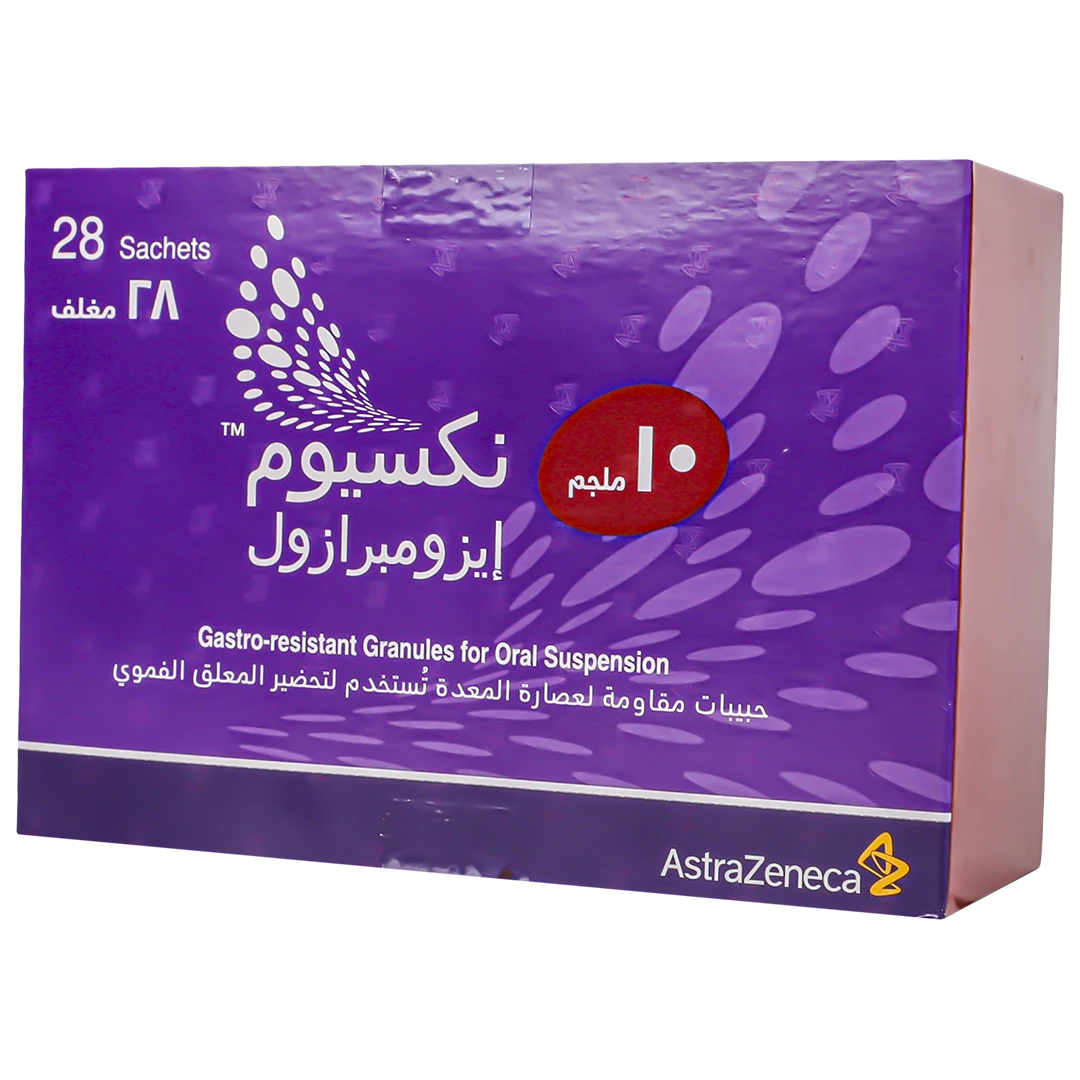
Nexium contains a substance called esomeprazole. This belongs to a group of medicines called proton pump inhibitors. These work by reducing the amount of acid that your stomach produces. Nexium is used to treat the following conditions: Children over 1 year of age Nexium is used to treat a condition called “gastroesophageal reflux disease” (GERD). This is where acid from the stomach escapes into the gullet (esophagus) causing pain, inflammation and heartburn. Heartburn is a burning feeling rising from the stomach or lower chest up towards the neck. In children, the symptoms of the condition can include the return of stomach contents into the mouth (regurgitation), being sick (vomiting) and poor weight gain. Children over 4 years of age Ulcers which are infected with bacteria called ‘Helicobacter pylori’. If your child has this condition, your doctor may also prescribe antibiotics to treat the infection and allow the ulcer to heal. How to use Use in children aged 1 to 11 years Nexium is not recommended for children younger than 1 year. To treat gastroesophageal reflux disease (GERD) The recommended dose is one sachet (10 mg) or two sachets (20 mg) once daily. The dose for children is based on the child’s weight and the doctor will decide the correct dose. Use in children aged 4 years and older To treat ulcers caused by Helicobacter pylori infection and to stop them coming back. The dose for children is based on the child’s weight and your doctor will decide the correct dose. The doctor will also prescribe two antibiotics for your child. Use in adults and adolescents Nexium oral suspension may also be used by patients having difficulty swallowing dispersed Nexium gastro-resistant tablets. Information on dosing for patients from the age of 12 years is in Nexium gastro-resistant tablet product information (ask your doctor or pharmacist if you require further information). Elderly There is no need to alter the dose if you are elderly. Warnings and precautions Talk to your doctor or pharmacist before taking Nexium: If you have severe liver problems. If you have severe kidney problems. If you have ever had a skin reaction after treatment with a medicine similar to Nexium that reduces stomach acid. If you are due to have a specific blood test (Chromogranin A). Side Effects If you experience any of the following symptoms you should contact your doctor or go to the hospital straight away: Common (may affect up to 1 in 10 people) Headache. Effects on your stomach or gut: diarrhoea, stomach pain, constipation, wind (flatulence). Feeling sick (nausea) or being sick (vomiting). Benign polyps in the stomach. Storage Information Do not store above 30°C. This medicinal product does not require any special storage conditions. Drug Interactions Tell your doctor or pharmacist if you are taking any of the following medicines: Atazanavir (used to treat HIV infection). Clopidogrel (used to prevent blood clots). Ketoconazole, itraconazole or voriconazole (used to treat infections caused by a fungus). Erlotinib (used to treat cancer). Diazepam (used to treat anxiety or relax muscles). Citalopram, imipramine or clomipramine (used to treat depression). Phenytoin (used in epilepsy). Warfarin or coumarin (medicines called anticoagulants that are used to thin your blood). Cilostazol (used to treat intermittent claudication – a pain in your legs when you walk which is caused by an insufficient blood supply). Cisapride (used for indigestion and heartburn). Digoxin (used for heart problems). Methotrexate (a chemotherapy medicine used in high doses to treat cancer) – if you are taking a high dose of methotrexate, your doctor may temporarily stop your Nexium treatment. Tacrolimus (organ transplantation). Rifampicin (used for treatment of tuberculosis). St. John’s wort (Hypericum perforatum) (used to treat depression). Ingredients The active substance is esomeprazole. The other ingredients are: Esomeprazole granules: Glycerol monostearate 40-55 Hydroxypropyl cellulose Hypromellose Magnesium Stearate Methacrylic acid –ethyl acrylate copolymer (1:1) 30% dispersion Polysorbate 80 Sugar spheres (sucrose and maize starch) Talc Triethyl citrate Excipient granules: Citric acid anhydrous (for pH adjustment) Crospovidone Glucose Hydroxypropyl cellulose Yellow iron oxide (E172) Xanthan gum Specifications Each sachet of Nexium contains pale yellow fine granules. Brownish granules may be visible. The oral suspension is a thick yellow liquid containing suspended pellets.
We are Sorry, this product is unavailable now, explore other products.