
Product
Product
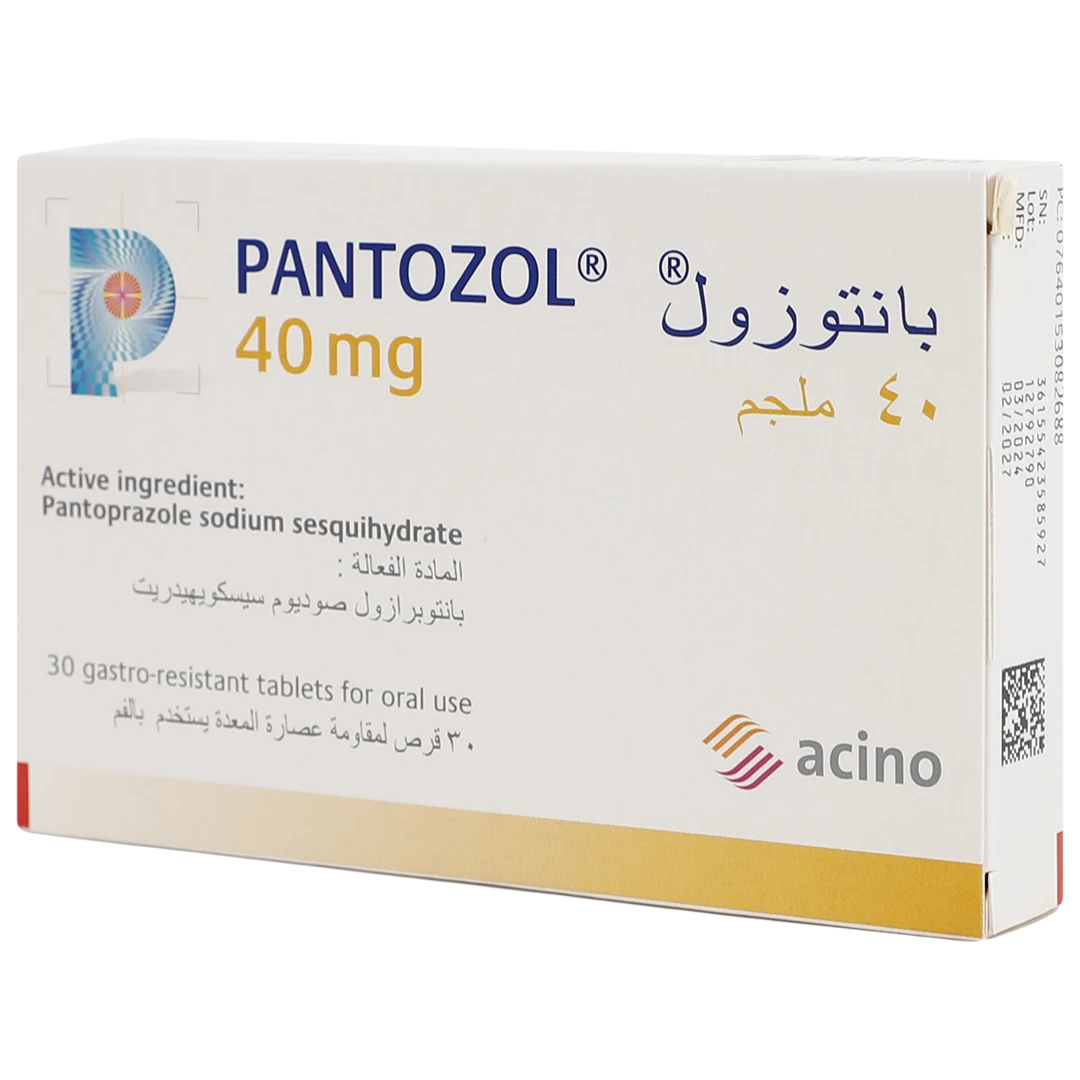
Pantozol contains the active substance pantoprazole. Pantozol is a selective “proton pump inhibitor”, a medicine which reduces the amount of acid produced in your stomach. It is used for treating acid-related diseases of the stomach and intestine. Pantozol is used to treat adults and adolescents 12 years of age and above for Reflux oesophagitis. An inflammation of your oesophagus (the tube which connects your throat to your stomach) accompanied by the regurgitation of stomach acid. Pantozol is used to treat adults for An infection with a bacterium called Helicobacter pylori in patients with duodenal ulcers and stomach ulcers in combination with two antibiotics (eradication therapy). The aim is to get rid of the bacteria and so reduce the likelihood of these ulcers returning. Stomach and duodenal ulcers. Zollinger-Ellison-Syndrome and other conditions producing too much acid in the stomach. How to use Method of administration Take the tablets 1 hour before a meal without chewing or breaking them and swallow them whole with some water. The recommended dose is: Adults and adolescents 12 years of age and above To treat reflux oesophagitis The usual dose is one tablet a day. Your doctor may tell you to increase to 2 tablets daily. The treatment period for reflux oesophagitis is usually between 4 and 8 weeks. Your doctor will tell you how long to take your medicine. Adults For the treatment of an infection with a bacterium called Helicobacter pylori in patients with duodenal ulcers and stomach ulcers in combination with two antibiotics (Eradication therapy). One tablet, two times a day plus two antibiotic tablets of either amoxicillin, clarithromycin and metronidazole (or tinidazole), each to be taken two times a day with your pantoprazole tablet. Take the first pantoprazole tablet 1 hour before breakfast and the second pantoprazole tablet 1 hour before your evening meal. Warnings and precautions Do not take Pantozol If you are allergic to pantoprazole or to any of the other ingredients of this medicine. If you are allergic to medicines containing other proton pump inhibitors. Take special care with Pantozol If you have severe liver problems. Please tell your doctor if you ever had problems with your liver in the past. He will check your liver enzymes more frequently, especially when you are taking Pantozol as a long-term treatment. In the case of a rise of liver enzymes the treatment should be stopped. If you have reduced body stores or risk factors for reduced vitamin B12 and receive long-term treatment with pantoprazole. As with all acid reducing agents, pantoprazole may lead to a reduced absorption of vitamin B12. If you are taking HIV protease inhibitors such as atazanavir (for the treatment of HIV-infection) at the same time as pantoprazole, ask your doctor for specific advice. If you get a rash on your skin, especially in areas exposed to the sun tell your doctor as soon as you can, as you may need to stop your treatment with [Pantozol]. Remember to also mention any other ill-effects like pain in your joints. If you are due to have a specific blood test (Chromogranin A) Taking a proton pump inhibitor like pantoprazole, especially over a period of more than one year, may slightly increase your risk of fracture in the hip, wrist or spine. Tell your doctor if you have osteoporosis or if you are taking corticosteroids (which can increase the risk of osteoporosis). Side Effects If you get any of the following side effects, stop taking these tablets and tell your doctor immediately, or contact the casualty department at your nearest hospital: Serious allergic reactions (frequency rare: may affect up to 1 in 1,000 people): swelling of the tongue and/or throat, difficulty in swallowing, hives (nettle rash), difficulties in breathing, allergic facial swelling (Quincke’s oedema / angioedema), severe dizziness with very fast heartbeat and heavy sweating. Other side effects are: Common (may affect up to 1 in 10 people): Benign polyps in the stomach. Uncommon (may affect up to 1 in 100 people) Headache; dizziness; diarrhea; feeling sick, vomiting; bloating and flatulence (wind); constipation; dry mouth; abdominal pain and discomfort; skin rash, exanthema, eruption; itching; feeling weak, exhausted or generally unwell; sleep disorders; fracture in the hip, wrist or spine. Storage Information Do not store above 30 °C Drug Interactions Tell your doctor or pharmacist if you are taking, have recently taken or might take any other medicines, including medicines obtained without a prescription. This is because Pantozol may influence the effectiveness of other medicines, so tell your doctor if you are taking: Medicines such as ketoconazole, itraconazole and posaconazole (used to treat fungal infections) or erlotinib (used for certain types of cancer) because Pantozol may stop these and other medicines from working properly. Warfarin and phenprocoumon, which affect the thickening, or thinning of the blood. You may need further checks. Medicines used to treat HIV-infection, such as atazanavir Methotrexate (used to treat rheumatoid arthritis, psoriasis, and cancer) – if you are taking methotrexate your doctor may temporarily stop your Pantozol treatment because pantoprazole can increase levels of methotrexate in the blood. Fluvoxamine (used to treat depression and other psychiatric diseases – if you are taking fluvoxamine your doctor may reduce the dose Rifampicin (used to treat infections) St John’s wort (Hypericum perforatum) (used to treat mild depression) Ingredients The active substance is pantoprazole.
We are Sorry, this product is unavailable now, explore other products.