
Product
Product
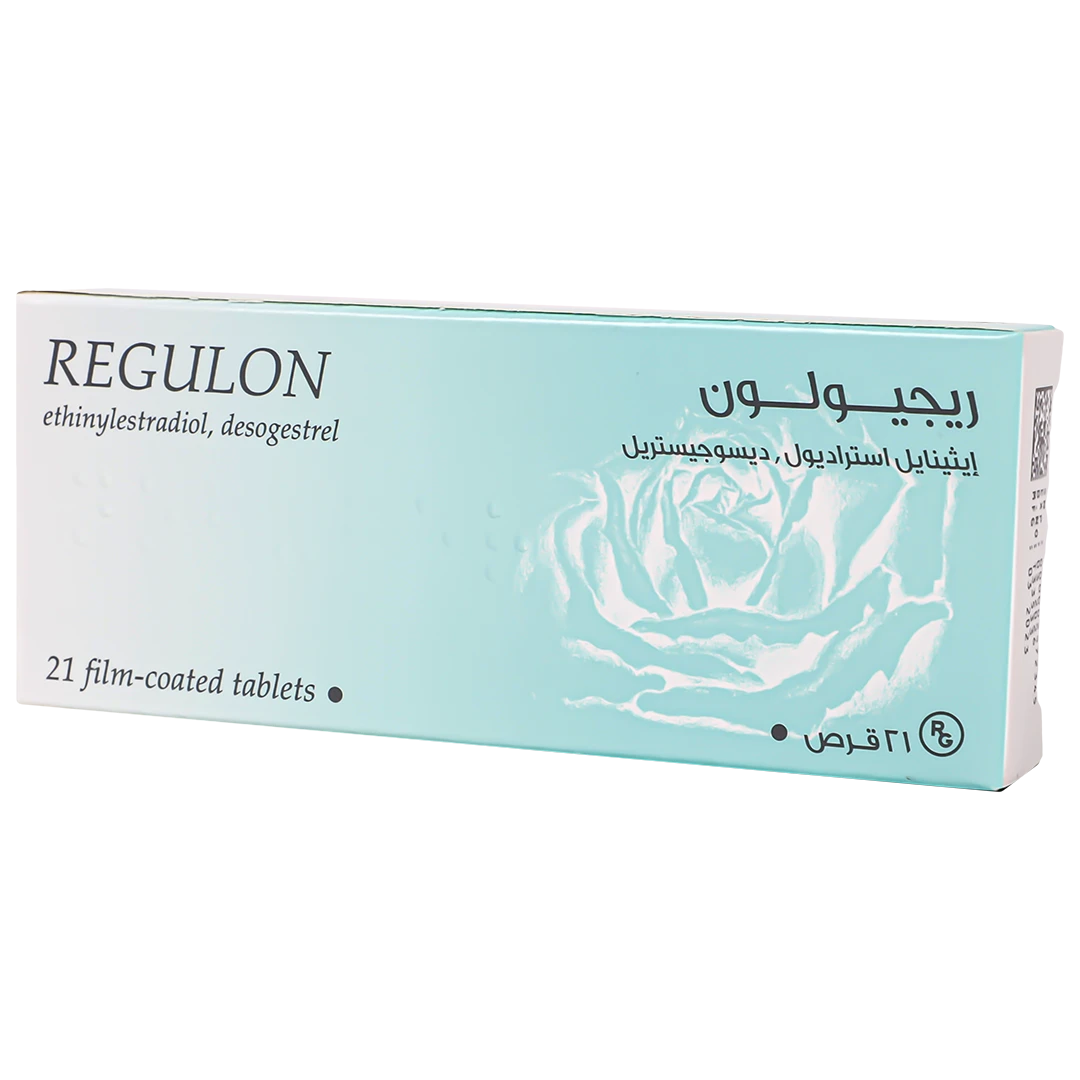
This medicine is a combined oral contraceptive pill (“the pill”). You take it to prevent pregnancy. These low-dose birth control pills contain two female sex hormones, estrogen and progestin. These hormones prevent the release of an egg from your ovaries so you can't get pregnant. They also make the fluid (mucus) in your cervix thicker, making it more difficult for sperm to enter your uterus. This pill is a 21-day pill - you take a pill every day for 21 days, followed by 7 days when you don't take pills. How to use Take desogestrel, ethinyl estradiol every day for 21 days. Desogestrel, ethinyl estradiol comes in strips of 21 pills, each marked with the day of the week. Take your birth control pill at the same time every day. Start taking a tablet labeled with the correct day of the week. Follow the direction of the arrows on the strip. Take one tablet every day, until you have finished 21 tablets. Swallow each tablet whole with water if necessary. Do not chew the tablet. Then you have seven pill-free days. After you have taken all 21 tablets in the pack, you have seven pill-free days. So if you take the last tablet of one pack on a Friday, you will take the first tablet of your next pack on Saturday of the following week. Within a few days of taking the last pill in the pack, you should have a withdrawal bleed like a period. This bleeding may not be over when it is time to start the next pack of pills. You do not need to use additional contraception during the 7 pill-free days – as long as you have taken your pills correctly and started the next pack of pills on time. Then start the next strip. Start the next pack of desogestrel, ethinylestradiol after seven pill-free days - even if you are still bleeding. Always start the new pack on time. As long as you take desogestrel, ethinyl estradiol correctly, you will always start each new strip on the same day of the week. Warnings and precautions Do not use desogestrel, ethinyl estradiol Tell your doctor if you: If you have (or have ever had) a blood clot in a blood vessel in your legs (deep vein thrombosis, DVT), your lungs (pulmonary embolism, PE) or other organs; If you know you have a disorder that affects blood clotting - for example, protein C deficiency, protein S deficiency, antithrombin III deficiency, factor V Leiden or antiphospholipid antibodies; If you need surgery or if you will be off your feet for a long time If you have had a heart attack or stroke. If you have (or have ever had) angina (a condition that causes severe chest pain and may be the first sign of a heart attack) or a transient ischemic attack [TIA - temporary stroke symptoms]); Warnings and Precautions: You should tell your doctor if: If you notice possible signs of a blood clot that could mean you have a blood clot in your leg (i.e. deep vein thrombosis), a blood clot in your lung (i.e. pulmonary embolism), a heart attack or a stroke If you have heart, circulatory, or blood clotting problems. If you have diabetes. If you have ever had kidney or liver problems. If you have ever suffered from severe depression. If you have had migraines. If you have problems during pregnancy or while using birth control pills Side Effects Stop using the product and seek immediate medical attention if you notice: Signs of deep vein thrombosis: Swelling in one leg or along a vein in the leg or foot, especially when accompanied by pain or tenderness in the leg that can only be felt when standing or walking; increased warmth in the affected leg; a change in the color of the skin in the leg, for example, turning pale, red, or blue. Signs of pulmonary embolism: sudden, unexplained shortness of breath or rapid breathing. sudden coughing up blood for no apparent reason; - sharp chest pain that may get worse with deep breathing. severe dizziness or lightheadedness. fast or irregular heartbeat. severe pain in your stomach. Signs of retinal vein thrombosis (blood clot in the eye): Symptoms commonly appear in one eye: immediate loss of vision or painless blurring of vision that can progress to vision loss. Signs of a heart attack: chest pain, discomfort, pressure, heaviness. A feeling of pressure or fullness in the chest, arm, or below the breastbone; Storage Information Store Desogestrel, Ethinylestradiol below 25°C but not in the refrigerator. Keep in the original package to protect from light and moisture. Drug Interactions Some medications may stop desogestrel, ethinyl estradiol from working properly. These include medications used to treat: Epilepsy (primidone, phenytoin, phenobarbital, carbamazepine, oxcarbazepine, topiramate, felbamate, modafinil); Tuberculosis (rifampicin). HIV infection (ritonavir, nelfinavir, nevirapine, efavirenz); Hepatitis C virus infection (eg, boceprevir and telaprevir); Other infectious diseases (eg, griseofulvin); High blood pressure in the blood vessels of the lungs (bosentan); Depressive mood (herbal remedy St. John's wort).
We are Sorry, this product is unavailable now, explore other products.