
Product
Product
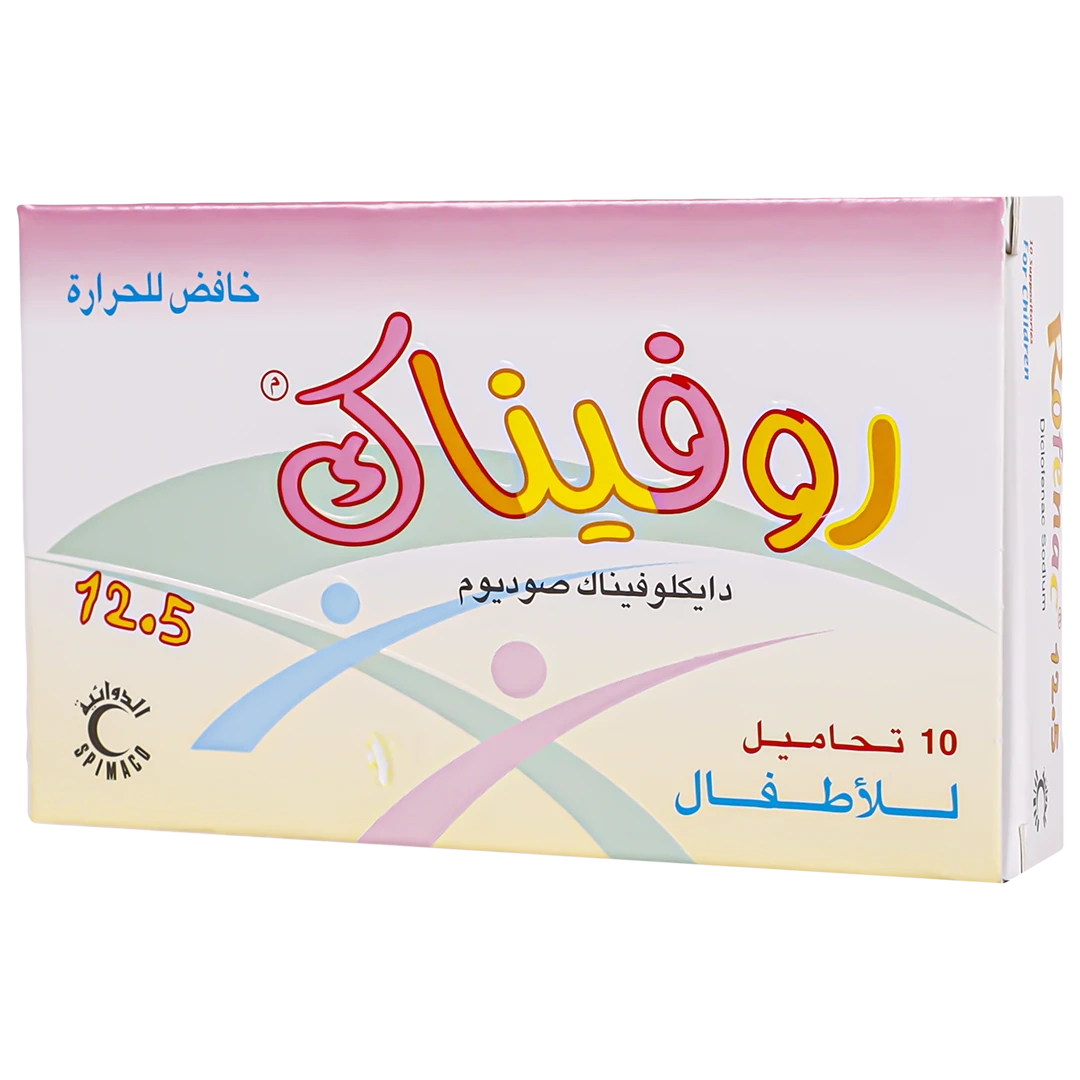
Rofenac relieves pain, reduces swelling and eases inflammation in conditions affecting the joints, muscles and tendons including: Rheumatoid arthritis, osteoarthritis, acute gout, ankylosing spondylitis Backache, sprains and strains, soft tissue sports injuries, frozen shoulder, dislocations and fractures Tendonitis, tenosynovitis, bursitis. • They are also used to treat pain and inflammation associated with dental and minor surgery. • In children aged 1 to 12 Rofenac Suppositories 12.5 and 25 mg are used to treat juvenile chronic arthritis . • In children aged over 6 they can also be used alone, or in combination with other painkillers, for the short term treatment of any pain experienced after an operation. How to use The doctor will tell you how many Rofenac to take and when to take them. Always follow his/her instructions carefully. If you are not sure, ask your doctor or pharmacist. Keep taking your treatment for as long as you have been told, unless you have any problems. In that case, check with your doctor. Suppositories are designed for insertion into the back passage (rectum). Never take them by mouth. Adults: Rofenac Suppositories are normally inserted one, two or three times a day up to a maximum total daily dose of 150mg. The number of suppositories you need will depend on the strength which the doctor has given you. Warnings and precautions You should take the lowest dose of Rofenac for the shortest possible time, particularly if you are underweight or elderly. • There is a small increased risk of heart attack or stroke when you are taking any medicine like Rofenac. The risk is higher if you are taking high doses for a long time. Always follow the doctor’s instructions on how much to take and how long to take it for. • Whilst you are taking these medicines your doctor may want to give you a check-up from time to time. • If you have a history of stomach problems when you are taking NSAIDs, particularly if you are elderly, you must tell your doctor straight away if you notice any unusual symptoms. • Because it is an anti-inflammatory medicine, Rofenac may reduce the symptoms of infection, for example, headache and high temperature. If you feel unwell and need to see a doctor, remember to tell him or her that you are taking Rofenac. Side Effects Common side effects (These may affect between 1 and 10 in every 100 patients): • Stomach pain, heartburn, nausea, vomiting, diarrhea, indigestion, wind, loss of appetite • Headache, dizziness, vertigo • Skin rash or spots • Raised levels of liver enzymes in the blood. Rare side effects (These may affect between 1 in every 1000 to 1 in every 10,000 patients): • Stomach ulcers or bleeding (there have been very rare reported cases resulting in death, particularly in the elderly) • Gastritis (inflammation, irritation or swelling of the stomach lining) • Vomiting blood • Diarrhea with blood in it or bleeding from the back passage • Black, tarry faces or stools • Drowsiness, tiredness • Hypotension (low blood pressure, symptoms of which may include faintness, giddiness or light headedness) Storage Information Store in a dry place, below 30°C. Keep the suppositories in their original pack. Keep out of the reach and sight of children. Do not take Rofenac after the expiry date which is printed on the outside of the pack. Drug Interactions Some medicines can interfere with your treatment. Tell your doctor or pharmacist if you are taking any of the following: • Medicines to treat diabetes • Anticoagulants (blood thinning tablets like warfarin) • Diuretics (water tablets). • Lithium (used to treat some mental problems). • Methotrexate (for some inflammatory diseases and some cancers). • Ciclosporin or tacrolimus (used to treat some inflammatory diseases and after transplants). • Quinolone antibiotics (for infections). • Any other NSAID for example aspirin or ibuprofen or COX-2 (cyclo-oxgenase-2) inhibitor. • Mifepristone (a medicine used to terminate pregnancy) • Cardiac glycosides (for example digoxin), used to treat heart problems. • Medicines known as SSRIs used to treat depression • Oral steroids (an anti-inflammatory drug) • Medicines used to treat heart conditions or high blood pressure, for example beta- blockers or ACE inhibitors. • Sulfinpyrazone (a medicine used to treat gout) or voriconazole (a medicine used to treat fungal infections). • Phenytoin (a medicine used to treat seizures) • Colestipol/cholestryramine (used to lower cholesterol) Ingredients Each Rofenac suppository contains 12.5 mg diclofenac sodium. Specifications Rofenac 12.5 mg Suppository: Ivory-colored, torpedo shaped suppositories.
We are Sorry, this product is unavailable now, explore other products.