
Product
Product
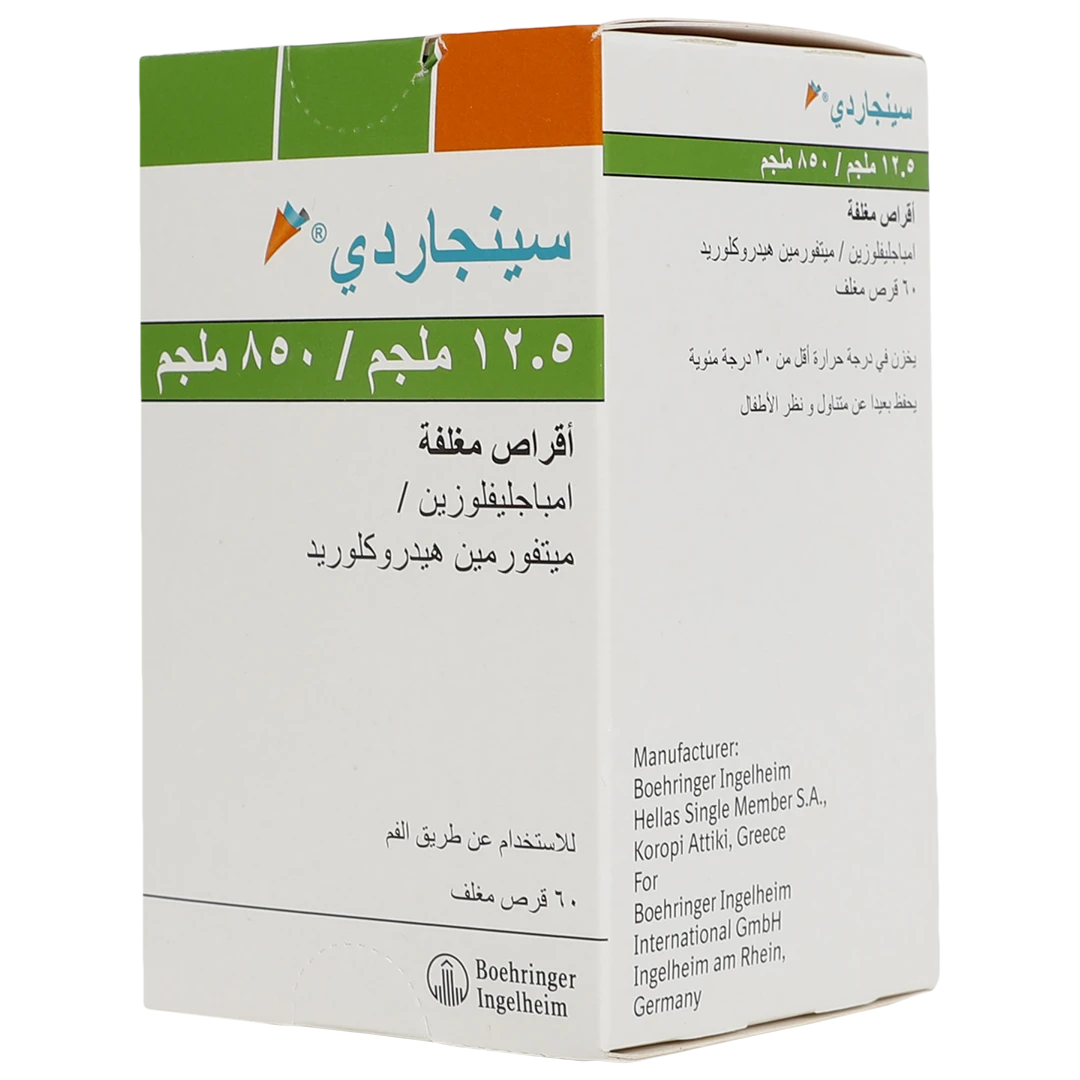
What Synjardy is Synjardy contains two active substances empagliflozin and metformin. Each belongs to a group of medicines called “oral anti-diabetics”. These are medicines taken by mouth to treat type 2 diabetes. How Synjardy works Empagliflozin belongs to a group of medicines called sodium glucose co-transporter-2 (SGLT2) inhibitors. It works by blocking the SGLT2 protein in your kidneys. This causes blood sugar (glucose) to be removed in your urine. Metformin works in a different way to lower blood sugar levels, mainly by blocking glucose production in the liver. Thereby Synjardy lowers the amount of sugar in your blood. This medicine can also help prevent heart disease. What Synjardy is used for Synjardy is added to diet and exercise to treat type 2 diabetes in adult patients (aged 18 years and older) whose diabetes cannot be controlled by adding metformin alone or metformin with other medicines for diabetes. How to use The recommended dose is one tablet twice a day. Your doctor will normally start Synjardy treatment by prescribing the strength of tablet that supplies the same dose of metformin you are already taking (850 mg or 1,000 mg twice a day), and the lowest dose of empagliflozin (5 mg twice a day). Swallow the tablet whole with water. Take the tablets with meals to lower your chance of an upset stomach. Take the tablet twice daily by mouth. Warnings and precautions Do not take Synjardy If you are allergic to empagliflozin, metformin or any of the other ingredients of this medicine. If you have uncontrolled diabetes, with, for example, severe hyperglycaemia (very high blood glucose), nausea, vomiting, diarrhoea, rapid weight loss, lactic acidosis (see ‘Risk of lactic acidosis’ below) or ketoacidosis. Ketoacidosis is a condition in which substances called ‘ketone bodies’ accumulate in the blood and which can lead to diabetic pre-coma. If you have had a diabetic pre‑coma; If you have serious kidney problems. Your doctor may limit your daily dose or ask you to take a different medicine Warnings and precautions Risk of lactic acidosis Side Effects Severe allergic reaction, seen with uncommon frequency (may affect up to 1 in 100 people) Possible signs of severe allergic reaction may include: Swelling of the face, lips, mouth, tongue, or throat that may lead to difficulty breathing or swallowing) Other side effects while taking Synjardy: Very common Feeling sick (nausea), vomiting Diarrhoea or stomach ache Loss of appetite Common Genital yeast infection (thrush) Passing more urine than usual or needing to pass urine more often itching Rash or red skin – this may be itchy and include raised bumps, oozing fluid or blisters Changes to the way things taste Thirst Blood tests may show an increase in blood fat (cholesterol) levels in your blood Constipation Storage Information Store below 30°C Drug Interactions Tell your doctor if you are taking, have recently taken or might take any other medicines. It is especially important to mention the following: Medicines which increase urine production (diuretics) Other medicines that lower the amount of sugar in your blood such as insulin or a “sulphonylurea” medicine. Medicines that may change the amount of metformin in your blood, especially if you have reduced kidney function (such as verapamil, rifampicin, cimetidine, dolutegravir, ranolazine, trimethoprime, vandetanib, isavuconazole, crizotinib, olaparib). Ingredients The active substances are empagliflozin and metformin.
We are Sorry, this product is unavailable now, explore other products.