
Product
Product
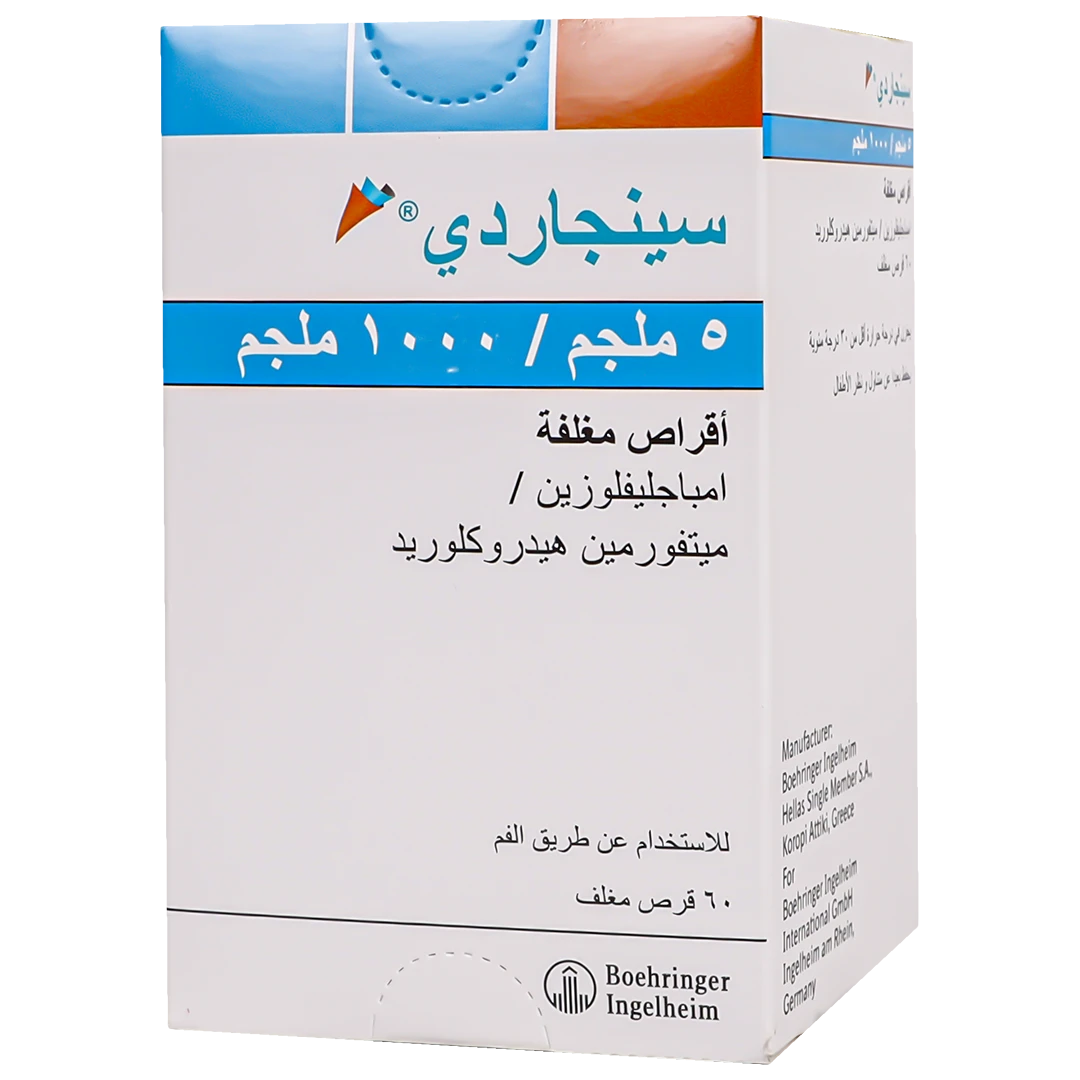
Synjardy contains two active substances empagliflozin and metformin. Each belongs to a group of medicines called “oral anti-diabetics”. These are medicines taken by mouth to treat type 2 diabetes. Empagliflozin belongs to a group of medicines called sodium glucose co-transporter-2 (SGLT2) inhibitors. It works by blocking the SGLT2 protein in your kidneys. This causes blood sugar (glucose) to be removed in your urine. Metformin works in a different way to lower blood sugar levels, mainly by blocking glucose production in the liver. Thereby Synjardy lowers the amount of sugar in your blood. This medicine can also help prevent heart disease. How to use How much to take The dose of Synjardy varies depending on your condition and the doses of diabetes medicines you currently take. Your doctor will adjust your dose as necessary and tell you exactly which strength of the medicine to take. The recommended dose is one tablet twice a day. Your doctor will normally start Synjardy treatment by prescribing the strength of tablet that supplies the same dose of metformin you are already taking (850 mg or 1,000 mg twice a day), and the lowest dose of empagliflozin (5 mg twice a day). If you are already taking both medicines separately, your doctor will start treatment with tablets of Synjardy that will supply the same amount of both. If you have reduced kidney function, your doctor may prescribe a lower dose or decide to use an alternative medicine. Taking this medicine Swallow the tablet whole with water. Take the tablets with meals to lower your chance of an upset stomach. Take the tablet twice daily by mouth. Warnings and precautions Do not take Synjardy if you are allergic to empagliflozin, metformin or any of the other ingredients of this medicine if you have uncontrolled diabetes, with, for example, severe hyperglycaemia (very high blood glucose), nausea, vomiting, diarrhoea, rapid weight loss, lactic acidosis (see ‘Risk of lactic acidosis’ below) or ketoacidosis. Ketoacidosis is a condition in which substances called ‘ketone bodies’ accumulate in the blood and which can lead to diabetic pre-coma. Symptoms include stomach pain, fast and deep breathing, sleepiness or your breath developing an unusual fruity smell; if you have had a diabetic pre‑coma; if you have serious kidney problems. Your doctor may limit your daily dose or ask you to take a different medicine. Warnings and precautions Risk of lactic acidosis Synjardy may cause a very rare, but very serious side effect called lactic acidosis, particularly if your kidneys are not working properly. The risk of developing lactic acidosis is also increased with uncontrolled diabetes, serious infections, prolonged fasting or alcohol intake, dehydration (see further information below), liver problems and any medical conditions in which a part of the body has a reduced supply of oxygen (such as acute severe heart diseases). If any of the above apply to you, talk to your doctor for further instructions. Stop taking Synjardy for a short time if you have a condition that may be associated with dehydration (significant loss of body fluids) such as severe vomiting, diarrhoea, fever, exposure to heat or if you drink less fluid than normal. Talk to your doctor for further instructions. Side Effects Contact a doctor or the nearest hospital straight away if you have any of the following side effects: Severe allergic reaction, seen with uncommon frequency (may affect up to 1 in 100 people) Possible signs of severe allergic reaction may include: Swelling of the face, lips, mouth, tongue, or throat that may lead to difficulty breathing or swallowing) Lactic acidosis, seen very rarely (may affect up to 1 in 10,000 people) Synjardy may cause a very rare but very serious side effect called lactic acidosis (see section 2). Other side effects while taking Synjardy: Very common Feeling sick (nausea), vomiting Diarrhoea or stomach ache Loss of appetite Storage Information Store below 30°C Drug Interactions Tell your doctor if you are taking, have recently taken or might take any other medicines. You may need more frequent blood glucose and kidney function tests, or your doctor may need to adjust the dosage of Synjardy. It is especially important to mention the following: medicines which increase urine production (diuretics), as Synjardy may increase the risk of losing too much fluid. Your doctor may ask you to stop taking Synjardy. Possible signs of losing too much fluid from your body are listed in section 4. other medicines that lower the amount of sugar in your blood such as insulin or a “sulphonylurea” medicine. Your doctor may want to lower the dose of these other medicines, to prevent your blood sugar levels from getting too low (hypoglycaemia). medicines that may change the amount of metformin in your blood, especially if you have reduced kidney function (such as verapamil, rifampicin, cimetidine, dolutegravir, ranolazine, trimethoprime, vandetanib, isavuconazole, crizotinib, olaparib). bronchodilators (beta‑2 agonists) which are used to treat asthma. Ingredients The active substances are empagliflozin and metformin.
We are Sorry, this product is unavailable now, explore other products.