
Product
Product
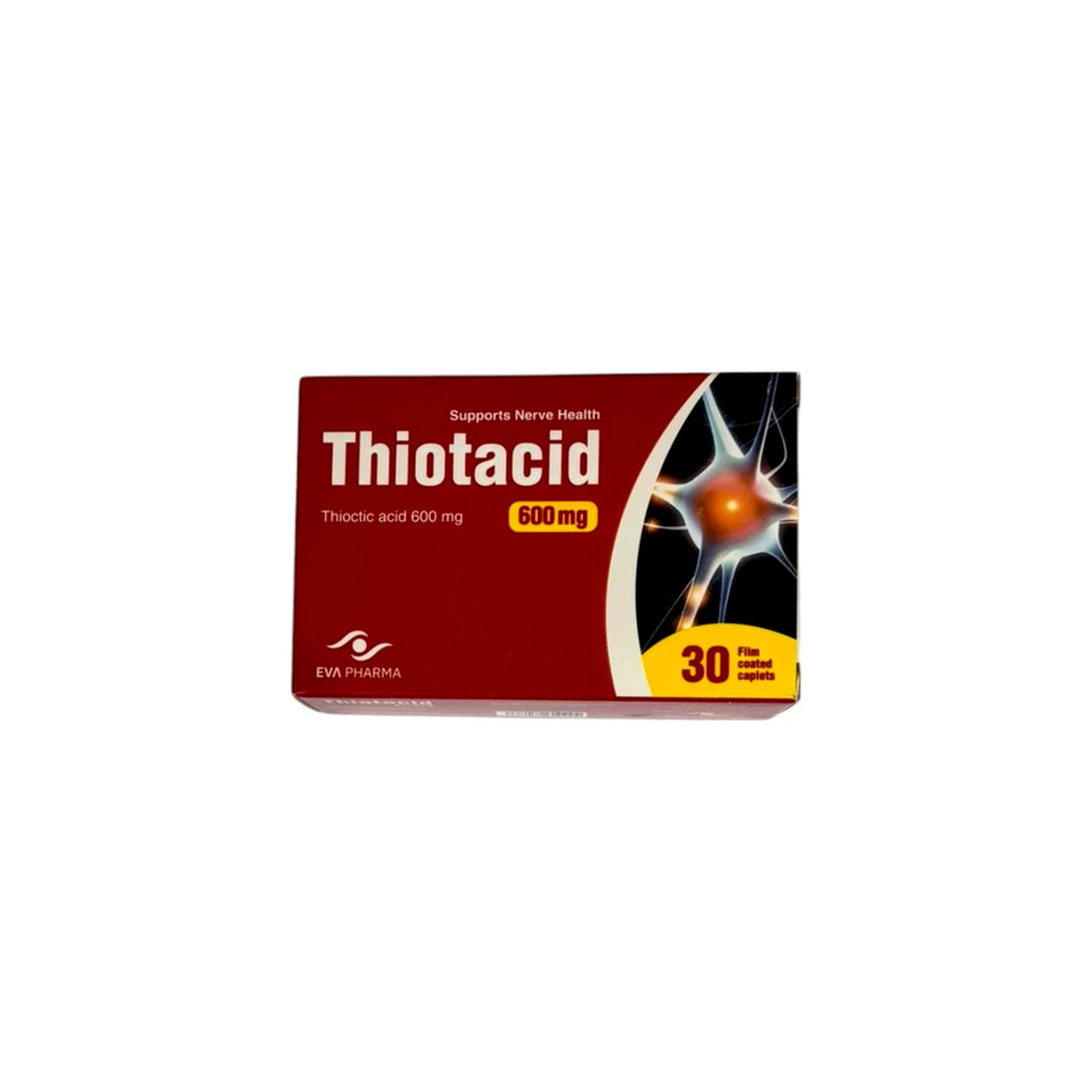
Alpha-lipoic acid is a natural substance made within the body. Yeast, liver, kidney, spinach, broccoli, and potatoes are good sources of alpha-lipoic acid. It is also made in the laboratory for use as a medicine. Alpha-lipoic acid is commonly used to treat nerve pain in people with diabetes (diabetic neuropathy). The pain may be described as burning, tingling, numbness, throbbing, or stabbing. It is also used in peripheral neuropathy (in non-diabetic patients) such as sciatica and lower back pain. How does it work ? Alpha-lipoic acid appears to help prevent certain types of cell damage in the body and restore levels of vitamins such as vitamin E and vitamin C. There is also evidence that alpha-lipoic acid can improve the function and conduction of nerve cells in diabetes. Alpha lipoic acid is used in the body to break down carbohydrates and generate energy for other organs in the body. Alpha-lipoic acid appears to act as an antioxidant, meaning it may offer protection to the brain under conditions of damage or injury. Its antioxidant effects may also be beneficial in some liver diseases. It may be effective for: Nerve pain in people with diabetes (diabetic neuropathy) and nerve inflammation in people without diabetes. Taking 600–1,800 mg of alpha-lipoic acid orally improves symptoms such as pain and numbness in the legs and arms in people with diabetes. It may take 3–5 weeks of treatment for symptoms to improve. How to use Doctors should prescribe appropriate doses first: For diabetic nerve pain (diabetic neuropathy): 600–1800 mg of alpha lipoic acid daily for 4 weeks, depending on pain severity. Then 600 mg daily for 12–16 weeks. For nerve pain in non-diabetic patients (sciatica and lower back pain) 600-1800 mg - depending on the severity of the pain - 6-12 weeks. It should be taken on an empty stomach. Warnings and precautions Thiotacid should be avoided if you have a history of allergy to any of its ingredients. If allergic symptoms such as skin rash or swelling occur, discontinue use immediately. You should consult your doctor before using Thiotacid if you have any liver or kidney problems, as the dosage may need to be adjusted. Thiotacid is not recommended for use during pregnancy or breastfeeding unless the benefits outweigh the risks. Consult your doctor before use. This medication may cause some digestive disturbances such as nausea or diarrhea, so it is best to take it with food to reduce these symptoms. Thiotacid is not expected to affect the ability to drive or operate machinery, but if you notice any dizziness or unusual tiredness, you are advised to avoid activities that require high concentration. Side Effects Digestive disturbances: such as nausea, vomiting, or stomach pain. Dizziness and headache: The patient may feel dizzy or have a slight headache. Skin reactions: such as rash or itching. Allergic reactions: Some may notice signs such as facial swelling or difficulty breathing. Increased blood sugar levels: The treatment may affect blood sugar levels in some cases. Storage Information It should be stored at a temperature not exceeding 30°C. Store away from light and moisture. Drug Interactions Thiotacid may interact with other medications, including diabetes medications or nerve medications. Tell your doctor about all medications you are taking to avoid negative interactions. Ingredients Active ingredient: Alpha-lipoic acid.
We are Sorry, this product is unavailable now, explore other products.