
Product
Product
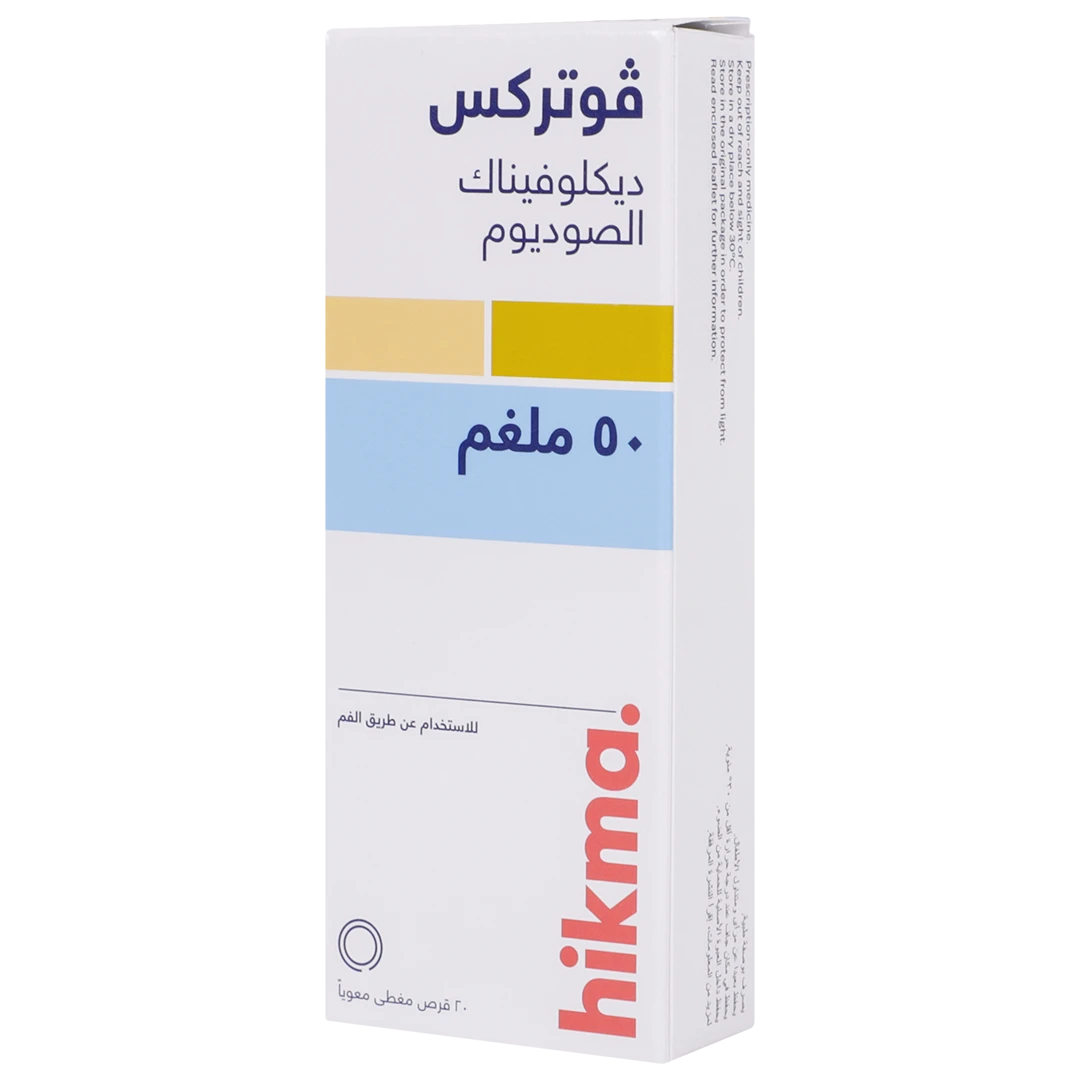
Diclofenac sodium, the active ingredient in Votrex, is one of a group of medicines called non-steroidal anti-inflammatory drugs (NSAIDs). NSAIDs reduce pain and inflammation. Votrex relieves pain, reduces swelling and eases inflammation in conditions affecting the joints, muscles and tendons including: Rheumatoid arthritis, osteoarthritis, acute gout (painful inflammation of the joints especially in the feet and hands), ankylosing spondylitis (form of spinal arthritis). Backache, sprains and strains, soft tissue sports injuries, frozen shoulder, dislocations and fractures. Conditions affecting the tendons for example, tendonitis, tenosynovitis, bursitis. It is also used to treat pain and inflammation associated with dental and minor surgery. How to use Take the tablets with or after food. Swallow the tablets whole with a glass of water. Do not crush or chew the tablets. The recommended dose is: Adults 75 mg to 150 mg daily in two or three divided doses. The number of tablets which you take will depend on the strength the doctor has given you. Elderly The lowest effective dose should be used. Your doctor may advise you to take a dose that is lower than the usual adult dose if you are elderly. Your doctor may also want to check closely that the Votrex tablets are not affecting your stomach. Children These tablets are not suitable for children aged under 12. Warnings and precautions Do not take Votrex if: You are allergic to diclofenac sodium, aspirin, ibuprofen or any other NSAID, or to any of the other ingredients of Votrex. Signs of a hypersensitivity reaction include swelling of the face and mouth (angioedema), breathing problems, chest pain, runny nose, skin rash or any other allergic type reaction. You have now, or have ever had, a stomach (gastric) or duodenal (peptic) ulcer, or bleeding in the digestive tract (this can include blood in vomit, bleeding when emptying bowels, fresh blood in faeces or black, tarry faeces). You have had stomach or bowel problems after you have taken other NSAIDs. You suffer from any stomach or bowel disorders including ulcerative colitis or Crohn’s disease. You have kidney or liver problems, or you are elderly. You have a condition called porphyria. You suffer from any blood or bleeding disorder. If you do, your doctor may ask you to go for regular check-ups while you are taking these tablets. You ever had asthma, seasonal allergic rhinitis, swelling of the nasal mucosa (nasal polyps), chronic pulmonary diseases or infections of the respiratory tract. You are breast-feeding. You have angina, blood clots, high blood pressure, raised cholesterol or raised triglycerides. Side Effects Some side effects can be serious Stop taking diclofenac sodium tablets and tell your doctor straight away if you notice: Sudden and crushing chest pain (signs of myocardial infarction or heart attack). Breathlessness, difficulty breathing when lying down, swelling of the feet or legs (signs of heart failure). Sudden weakness or numbness in the face, arm or leg especially on one side of the body, sudden loss or disturbance of vision; sudden difficulty in speaking or ability to understand speech; sudden migraine-like headaches which happen for the first time, with or without disturbed vision. These symptoms can be an early sign of a stroke. Stomach pain, indigestion, heartburn, wind, nausea (feeling sick) or vomiting (being sick). Any sign of bleeding in the stomach or intestine, for example, when emptying your bowels, blood in vomit or black, tarry faeces. Allergic reactions which can include skin rash, itching, bruising, painful red areas, peeling or blistering. The side effects listed below have also been reported. Common side effects (These may affect between 1 and 1 in 10 in every 100 patients): Stomach pain, heartburn, nausea, vomiting, diarrhoea, indigestion, wind, loss of appetite. Headache, dizziness, vertigo. Skin rash or spots. Raised levels of liver enzymes in the blood. Storage Information Store in a dry place below 30°C. Store in the original package in order to protect from light. Drug Interactions Some medicines can interfere with your treatment. Please tell your doctor or pharmacist if you are taking any of the following: Medicines to treat diabetes. Anticoagulants (blood thinning tablets like warfarin). Diuretics (water tablets). Lithium (used to treat some mental problems). Methotrexate (for treatment of some inflammatory diseases and some cancers). Ciclosporin and tacrolimus (used to treat some inflammatory diseases and after transplants). Trimethoprim (a medicine used to prevent or treat urinary tract infections). Quinolone antibiotics (for infections). Any other NSAID or COX-2 (cyclo-oxgenase-2) inhibitor, for example aspirin or ibuprofen. Mifepristone (a medicine used to terminate pregnancy). Cardiac glycosides (for example digoxin), used to treat heart problems. Medicines known as SSRIs (used to treat depression). Oral steroids (an anti-inflammatory drug). Medicines used to treat heart conditions or high blood pressure, for example beta-blockers or ACE inhibitors. Voriconazole (a medicine used to treat fungal infections). Phenytoin (a medicine used to treat seizures). Colestipol/cholestyramine (used to lower cholesterol). Ingredients The active substance is diclofenac sodium.
We are Sorry, this product is unavailable now, explore other products.