
Product
Product
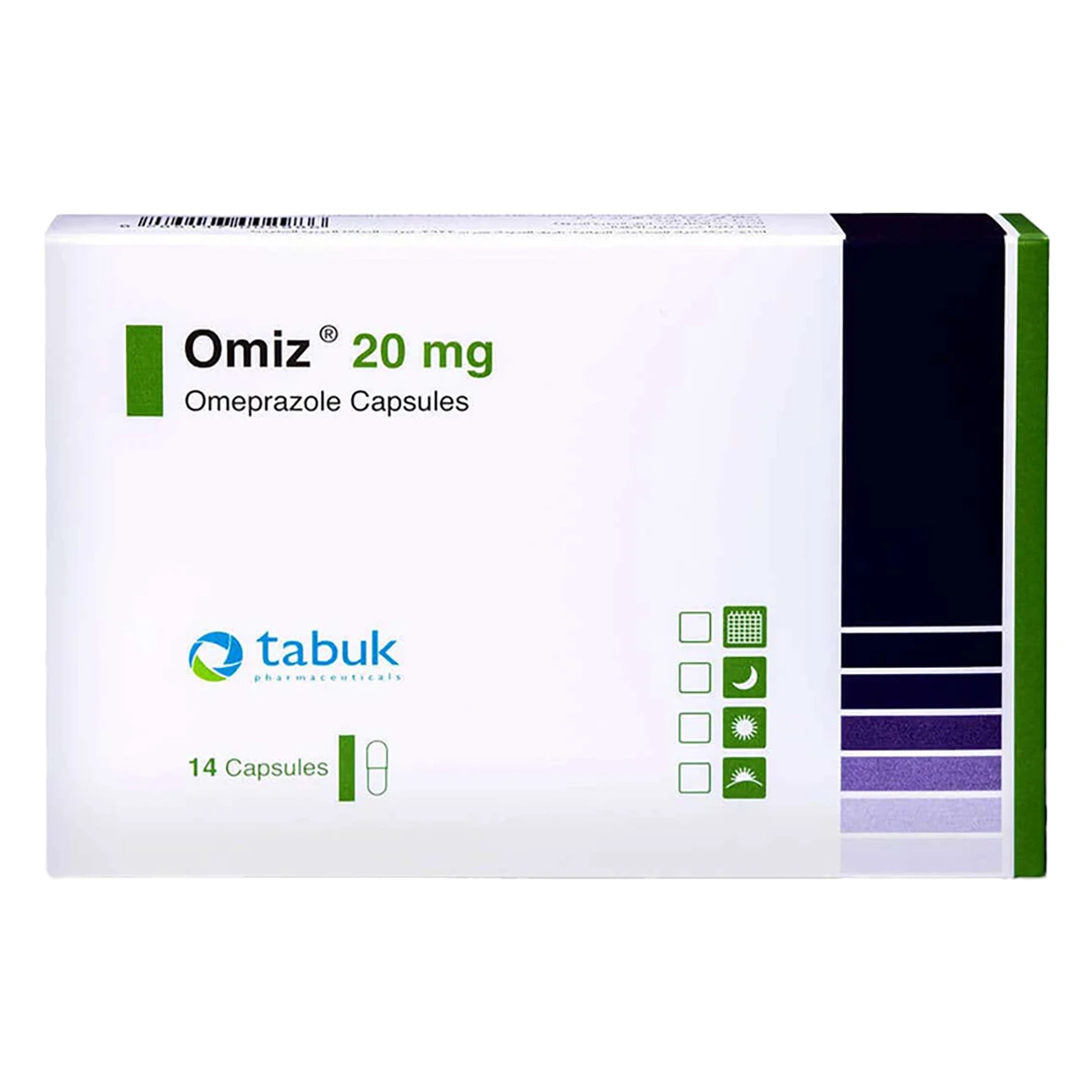
Omeprazole belongs to a group of medicines called proton pump inhibitors. They work by reducing the amount of acid your stomach makes. How to use Always take this medicine exactly as your doctor or pharmacist has told you. Check with your doctor or pharmacist if you are not sure. Your doctor will tell you how many capsules you should take and how long to take them. This will depend on your condition and how old you are. It is recommended to take your capsules in the morning. You can take the capsules with food or on an empty stomach. Swallow your capsules whole with half a glass of water. Do not chew or crush the capsules. This is because the capsules contain coated granules that prevent the drug from breaking down. Down from the acid in your stomach. It is important not to damage the pellets. Warnings and precautions Talk to your doctor or pharmacist before taking omeprazole. Omeprazole may mask symptoms of other conditions. Therefore, if any of the following happen to you before you start taking omeprazole or while you are taking it, talk to your doctor straight away: You lose a lot of weight for no reason and have problems swallowing. You suffer from stomach pain or indigestion. You start vomiting food or blood. Black stool (blood-stained stool). If you have severe or persistent diarrhea. You have serious liver problems. You will be scheduled to have a specific blood test (chromogranin A). Taking proton pump inhibitors such as omeprazole, especially for more than a year, may slightly increase your risk of a broken hip, wrist, or spine. Tell your doctor if you have osteoporosis or if you are taking corticosteroids (which can increase your risk of osteoporosis). Side Effects Like all medicines, this medication can cause side effects, although not everybody gets them. If you notice any of the following rare but serious side effects, stop taking omeprazole and call your doctor right away: a severe allergic reaction or symptoms of liver problems. Other side effects include: Headache Diarrhea and stomach pain Constipation and bloating Benign tumors in the stomach Swelling of feet and ankles Disturbed sleep Rash and itchy skin Feeling unwell and lacking energy Blood problems Low blood sodium levels Feeling agitated, confused and depressed Change in sense of taste Vision problems such as blurred vision. Suddenly feeling whistling Dry mouth Inflammation inside the mouth Liver problems Hair loss Rash when exposed to sunlight Common pi Storage Information Keep this medicine out of the sight and reach of children. Do not use this medicine after the expiry date which is stated on the carton, bottle label or blister after EXP. The expiry date refers to the last day of that month. Do not store above 30°C. Store this medicine in the original package (blister) or keep the bottle tightly closed in order to protect from moisture. Drug Interactions Tell your doctor or pharmacist if you are taking, have recently taken or might take any other medicines. This includes medicines that you buy without a prescription. This is because omeprazole can affect the way some medicines work and some medicines can have an effect on omeprazole. Tell your doctor or pharmacist if you are taking any of the following medicines used for: Fungal contamination Heart problems Anxiety Epilepsy Tuberculosis HIV infection Organ transplantation Mild depression Intermittent claudication Blood clots Cancer Ingredients Omeprazole Specifications Product Form: Capsules
We are Sorry, this product is unavailable now, explore other products.