
Product
Product
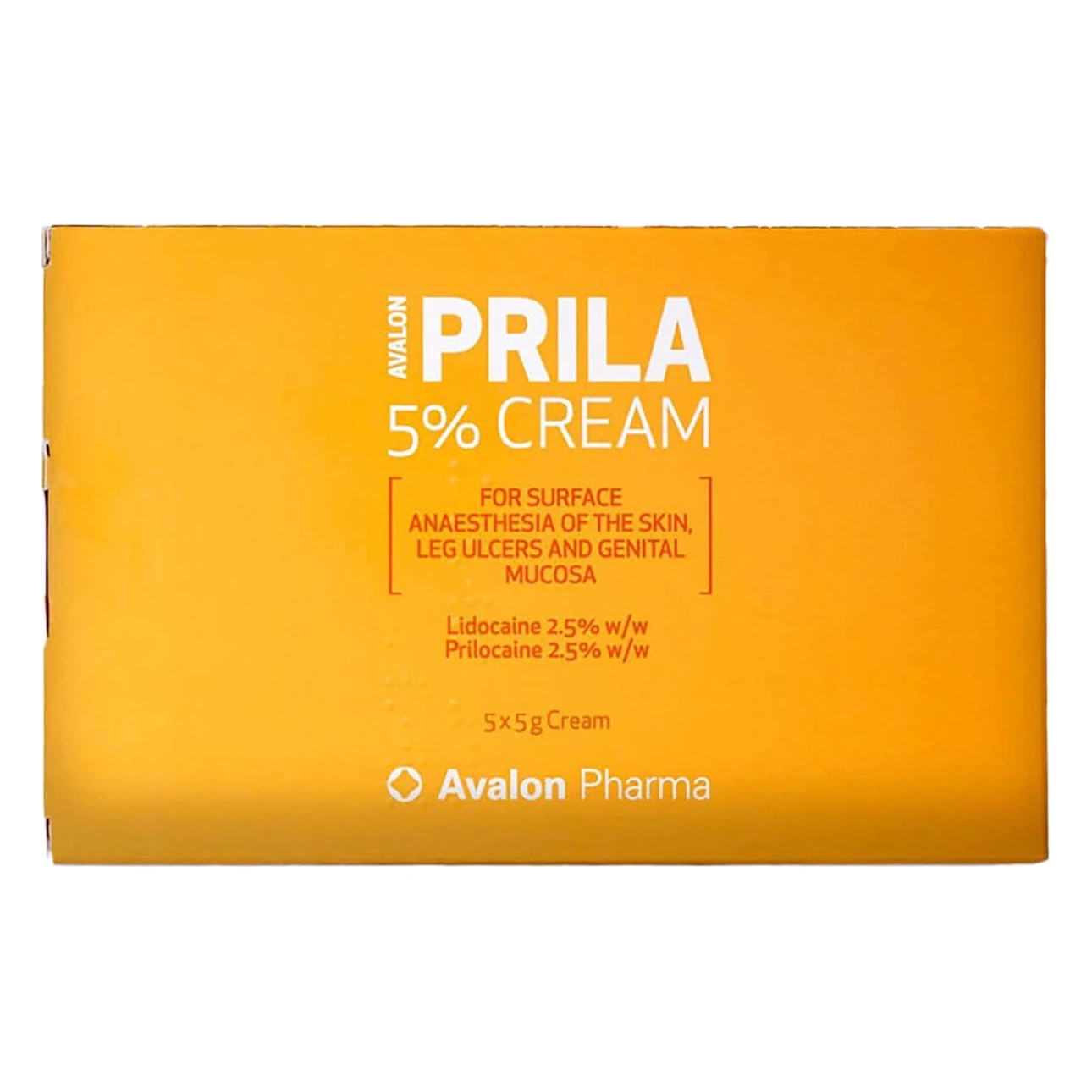
Lidocaine/Prilocaine is a topical cream used on the skin or in the genital area and belongs to the local anesthetics. Numbing the surface of the skin before minor medical or surgical procedures, such as laser hair removal, tattooing, and biopsies. Relieves pain and itching associated with skin conditions, such as contact dermatitis, neurogenic pruritus, and neurodermatitis. Relieves pain associated with hemorrhoids and anal fissures. How to use Adults and adolescents 12 years and older: On the skin Minor procedures, e.g. needle insertion and surgical treatment of local lesions: 2 g (about half a 5 g tube) or approx. 1.5 g/10 cm2 for 1 to 5 hours. Dermatological procedures on freshly shaved skin on large body areas, e.g. laser hair removal (patient self-application): Maximum recommended dose: 60 g. Maximum recommended treatment area: 600 cm2 for at least 1 hour, maximum 5 hours. Skin surgeries on larger areas in hospital, eg broken skin grafting: about 1.5-2 g/10 cm2 for 2 to 5 hours. Male genital skin - before injection of local anesthetic: 1 g/10 cm2 for 15 minutes. Female genital skin - before injection of local anesthetic: 1-2 g/10 cm2 for 60 minutes. Mucous membrane of the genitals Surgical treatment of local lesions, e.g. removal of genital warts (condyloma acuminata) and before injection of local anesthesia: about 5-10 g of cream for 5-10 minutes. Before cervical curettage: 10 g of cream should be administered into the lateral vagina for 10 minutes. Leg ulcer Mechanical cleaning/debridement: Approximately 1-2 g/10 cm2 up to a total of 10 g per leg ulcer. Application time: 30-60 minutes. Pediatric patients 0-11 years of age: Newborns and infants 0-2 months: Up to 1 g/10 cm2 for 1 hour Infants 3 to 11 months: Up to 2 g and 20 cm2 for 1 hour Infants and children 1-5 years: up to 10 g and 100 cm2 for 1-5 hours Children 6-11 years: Up to 20 g and 200 cm2 for 1-5 hours Children with atopic dermatitis: Application time: 30 minutes Warnings and precautions Talk to your doctor or pharmacist before using lidocaine/prilocaine: If you or your child has a rare inherited blood disorder called glucose-6-phosphate dehydrogenase deficiency. If you or your child has a problem with blood pigment levels called methemoglobinemia. If you or your child has an itchy skin condition called atopic dermatitis, a shorter application time may be sufficient. Application times longer than 30 minutes may increase the incidence of a local skin reaction. Side Effects Common side effects Transient local skin reactions (pallor, redness, swelling) in the treated area during treatment of skin, mucous membrane of the genitals or leg ulcers. Mild burning, itching or warmth sensation in the treated area during treatment of genital mucosa or leg ulcers. Uncommon side effects Initial mild burning, itching or warmth sensation in the treated area as the skin heals. Numbness (tingling) in the treated area during treatment of the mucous membrane of the genitals. Storage Information Keep this medicine out of the sight and reach of children. Do not store above 30°C and do not freeze. Do not use this medicine after the expiry date which is stated on the carton and tube after EXP: The expiry date refers to the last day of that month. Drug Interactions A large number of drugs can interact with lidocaine hydrochloride, which can significantly alter their effects. These drugs include: Medicines used to treat infections, called sulfonamides and nitrofurantoin. Medications used to treat epilepsy are called phenytoin and phenobarbital. Other local anesthetics. Medicines to treat irregular heartbeats, such as amiodarone. Cimetidine or beta-blockers, which may cause increased blood levels of lidocaine. This interaction is not clinically significant in short-term treatment with lidocaine/prilocaine at recommended doses. Ingredients Lidocaine - Prilocaine Specifications Product texture: Cream
We are Sorry, this product is unavailable now, explore other products.